Regd. No. : IV – 1903000656/2022
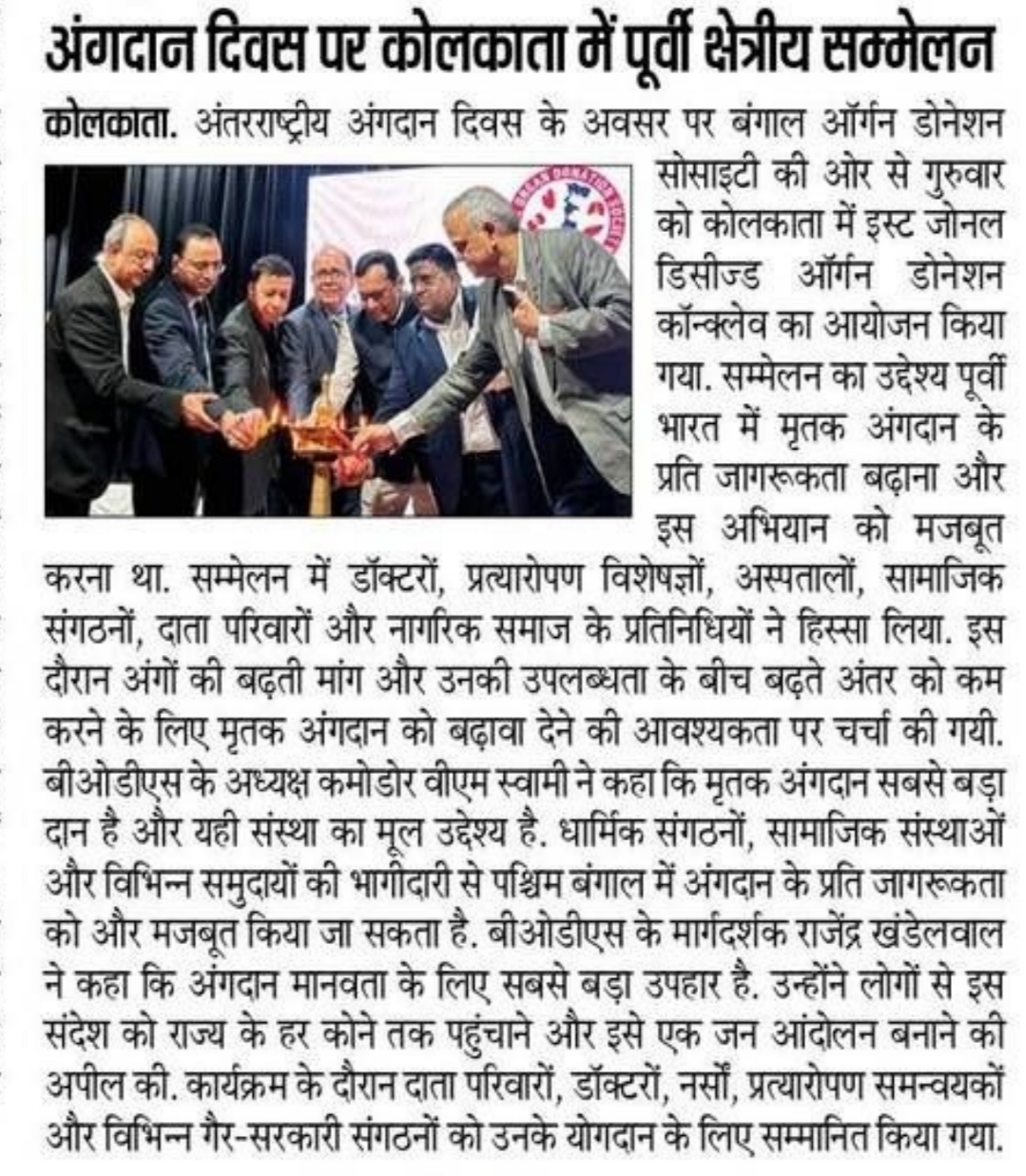
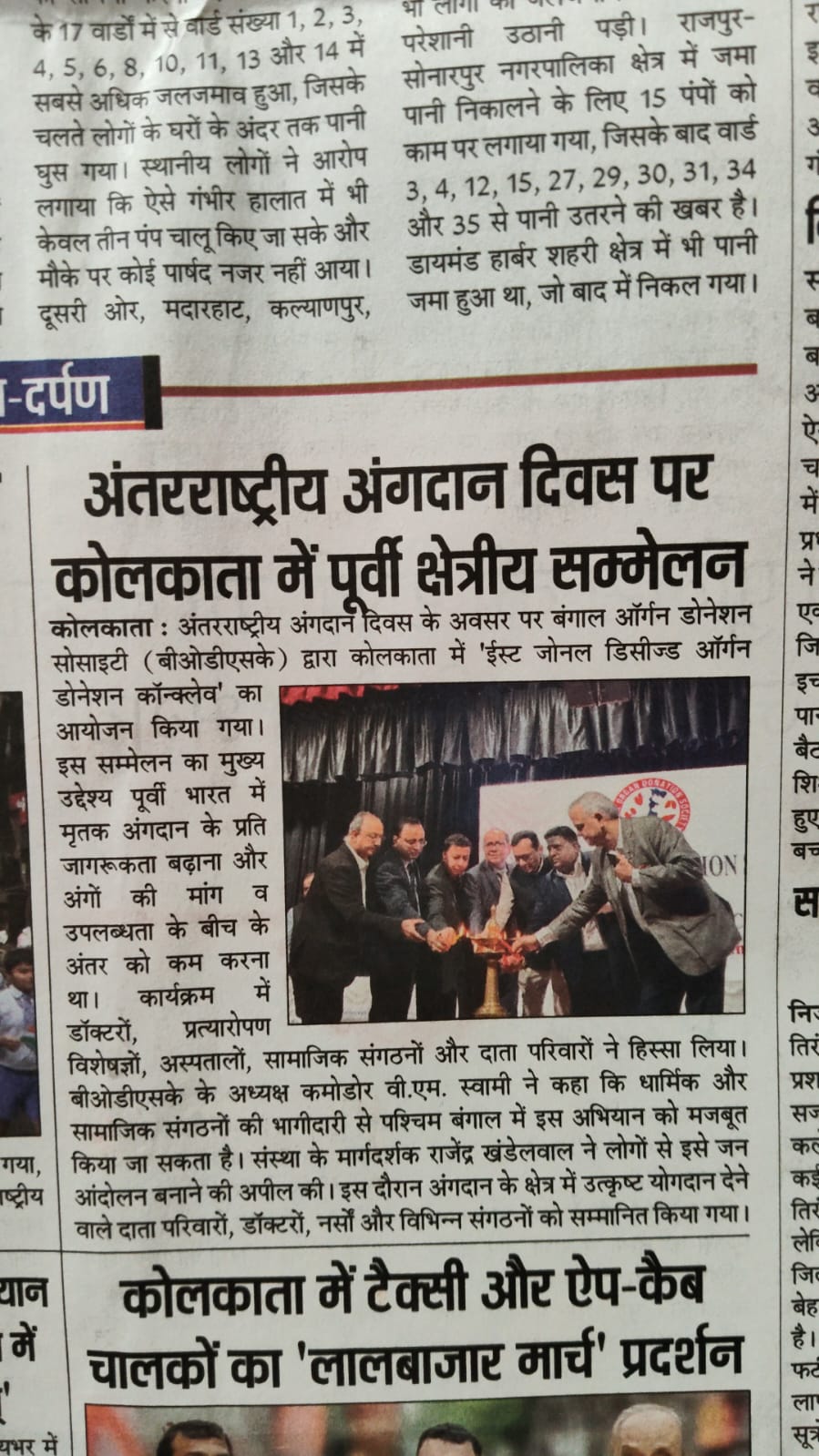
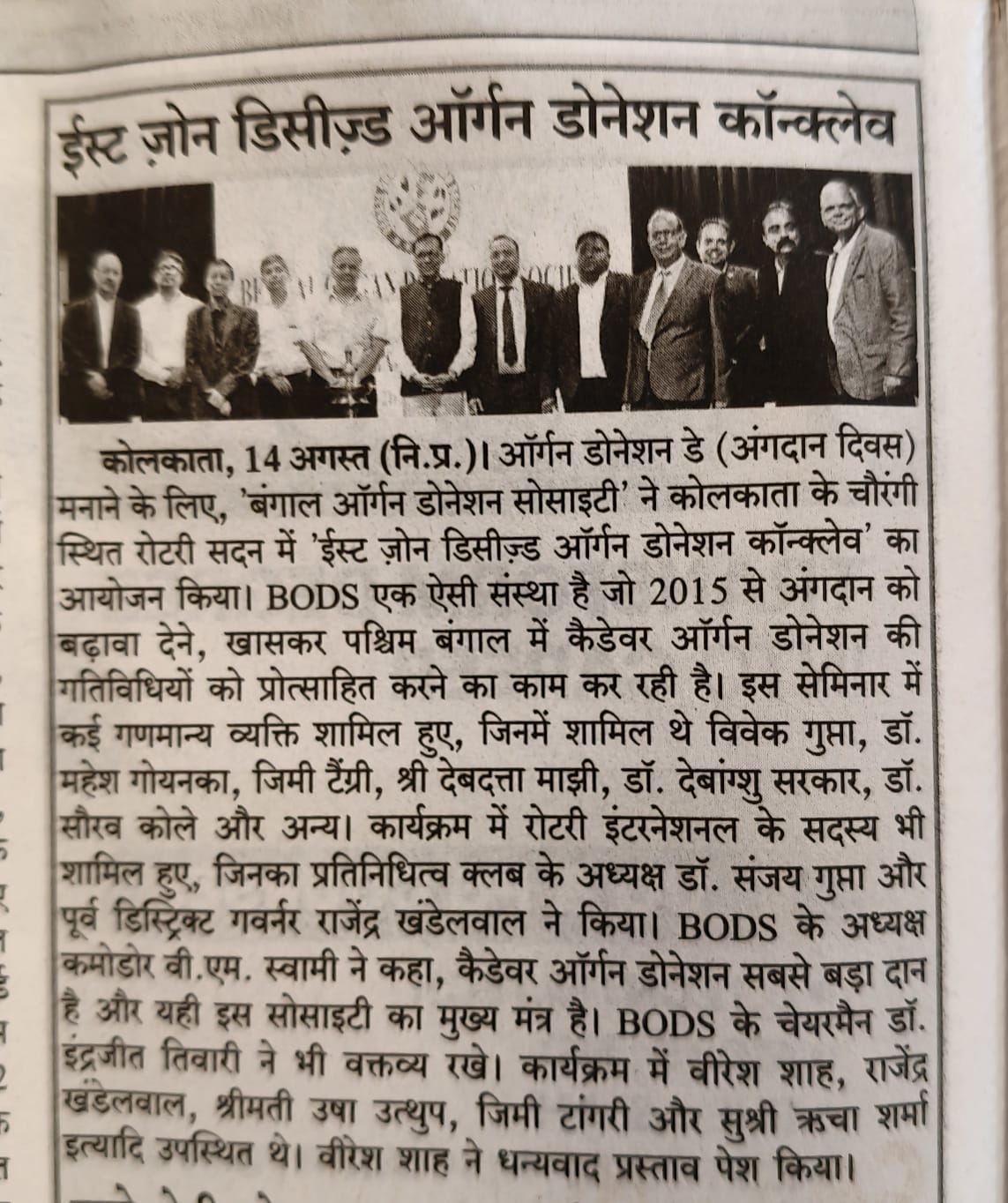
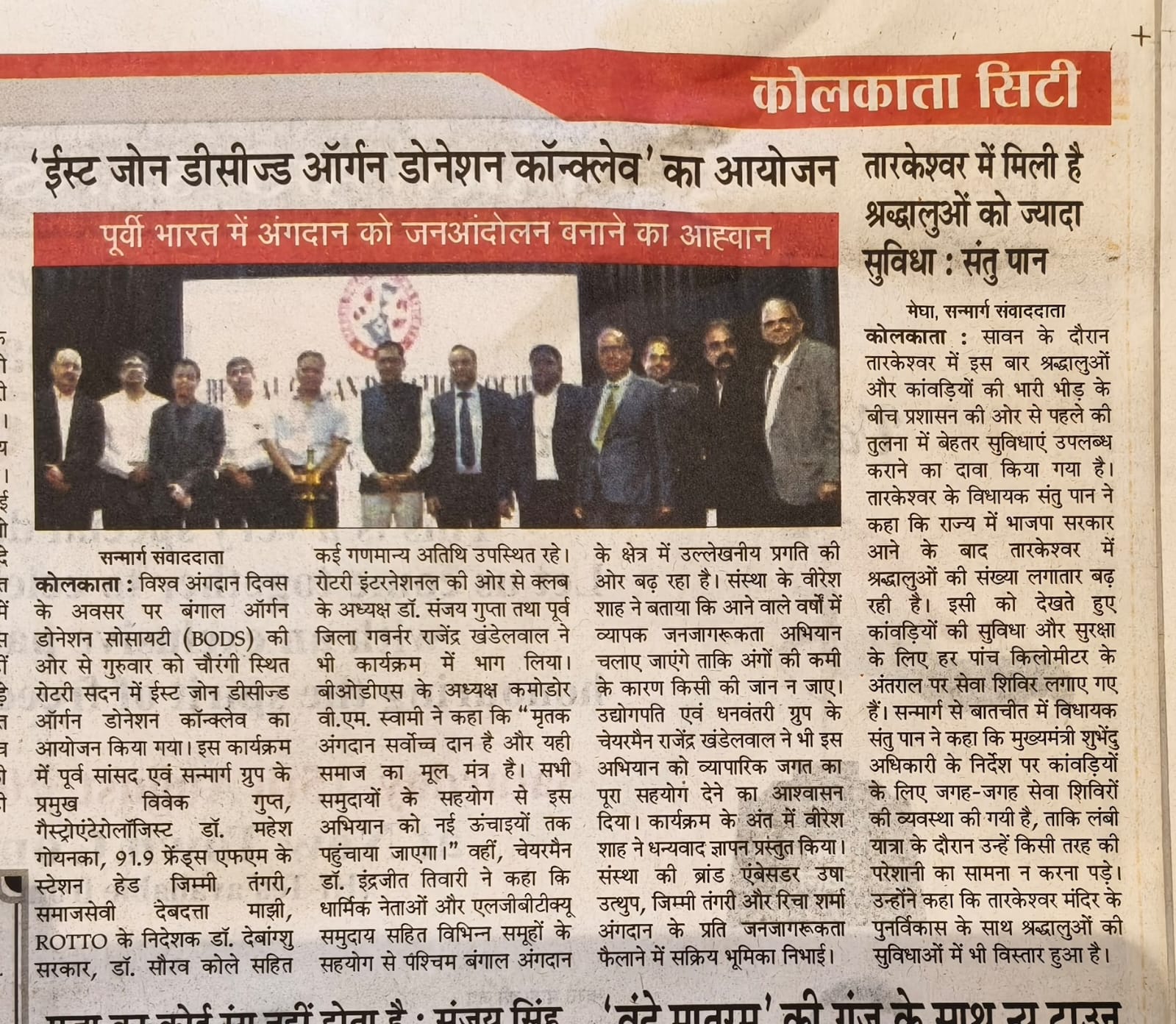
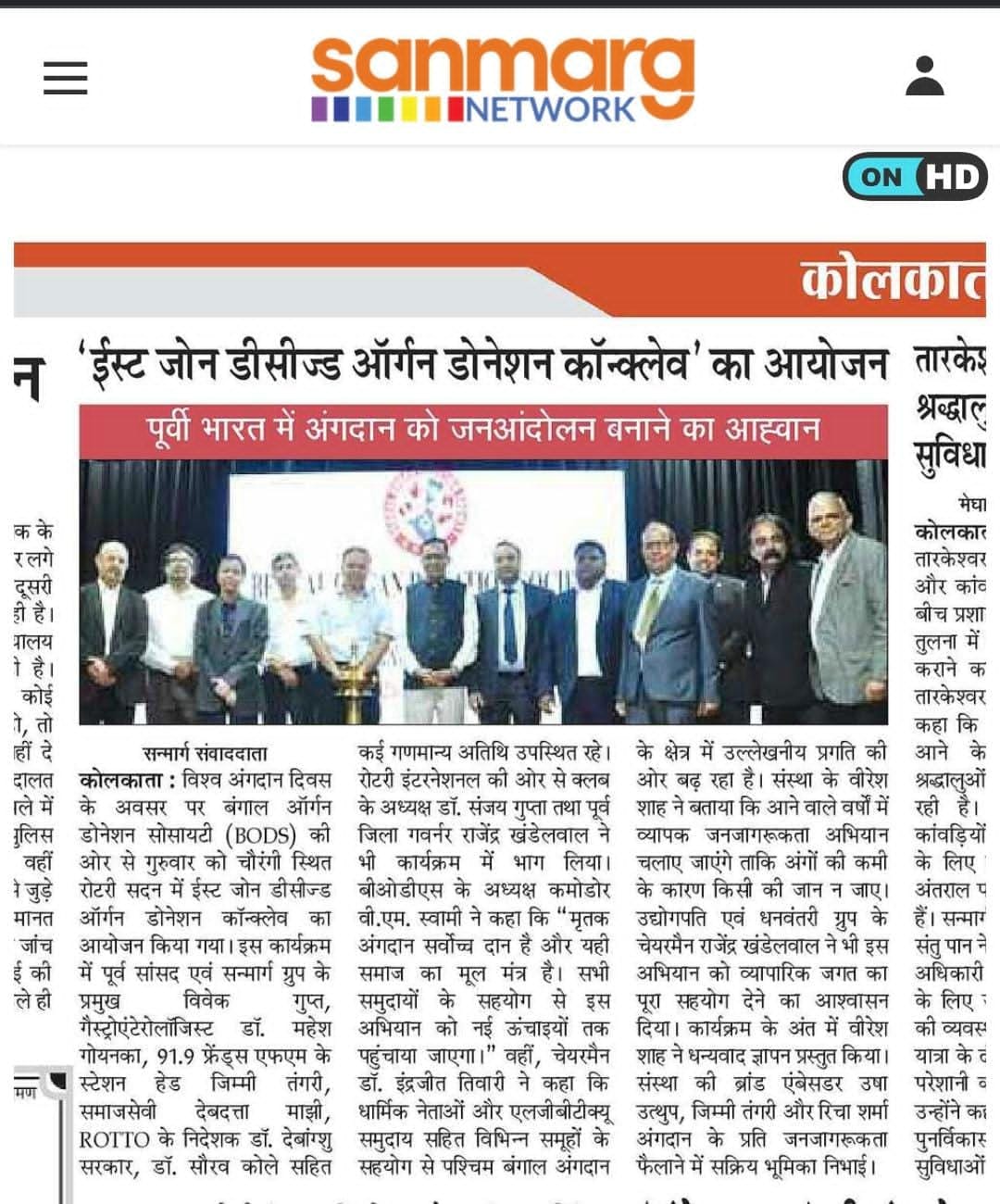
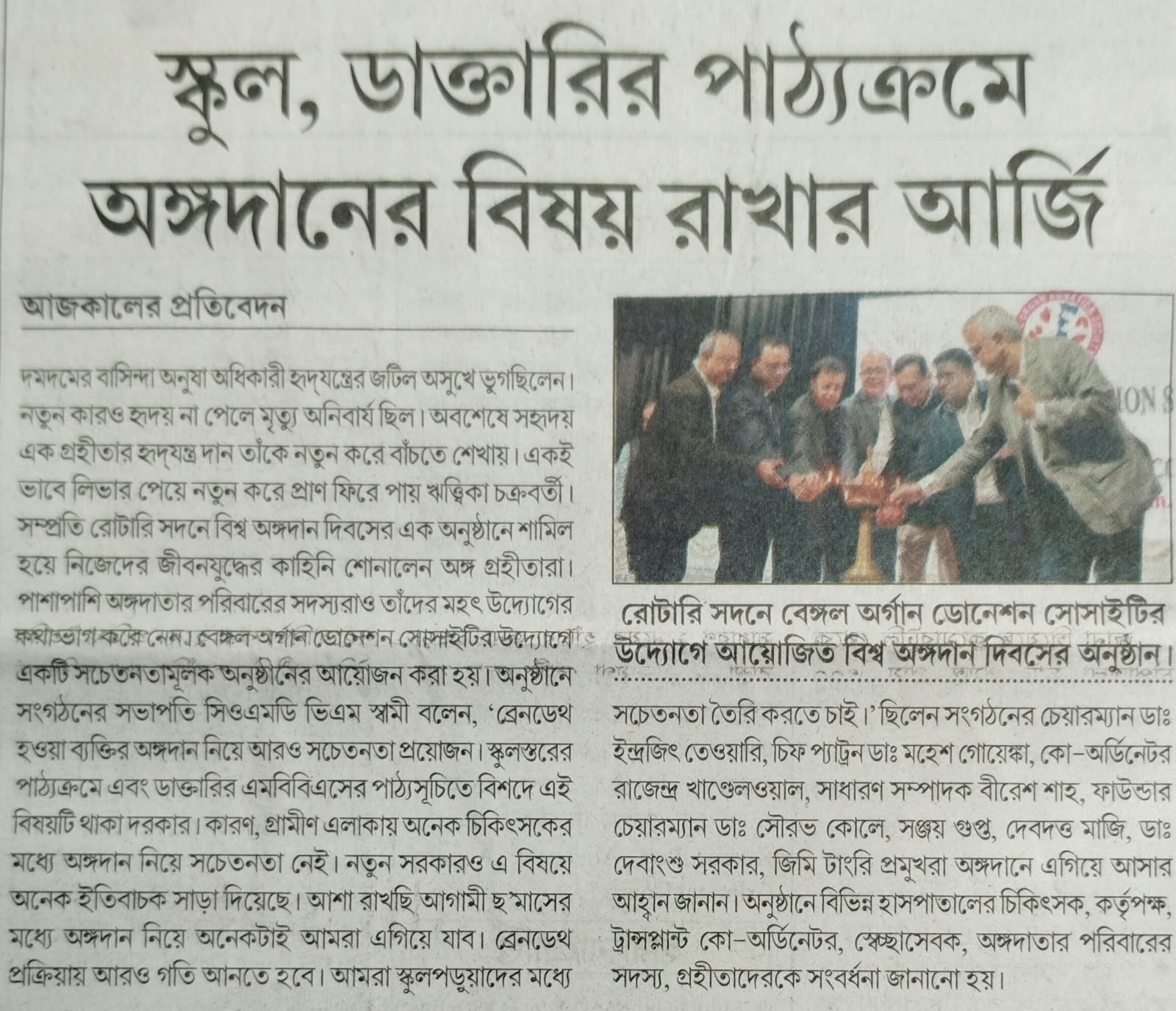
Bengal Organ Donation Society (BODS) is an umbrella organization dedicated to promoting organ donation, particularly cadaver organ donation, across Eastern India. Established in 2015, the society has been working relentlessly to spread awareness and encourage individuals and families to support the life saving cause of organ donation.
Through continuous efforts of our dedicated doctors, volunteers, and supporting staff, West Bengal has managed to secure a prominent place on the organ donation map of India.
Our vision is to create a society where organ donation is widely understood, accepted, and practiced, ensuring that valuable life is not lost due to the lack of a healthy organ.
Bengal Organ Donation Society envisions a future where every individual recognizes organ donation as an act of humanity that transcends religion, caste, and social boundaries, giving hope and life to lakhs of people waiting for organ transplant.
Bengal Organ Donation Society has played a significant role in strengthening the organ donation movement particularly in Eastern India.
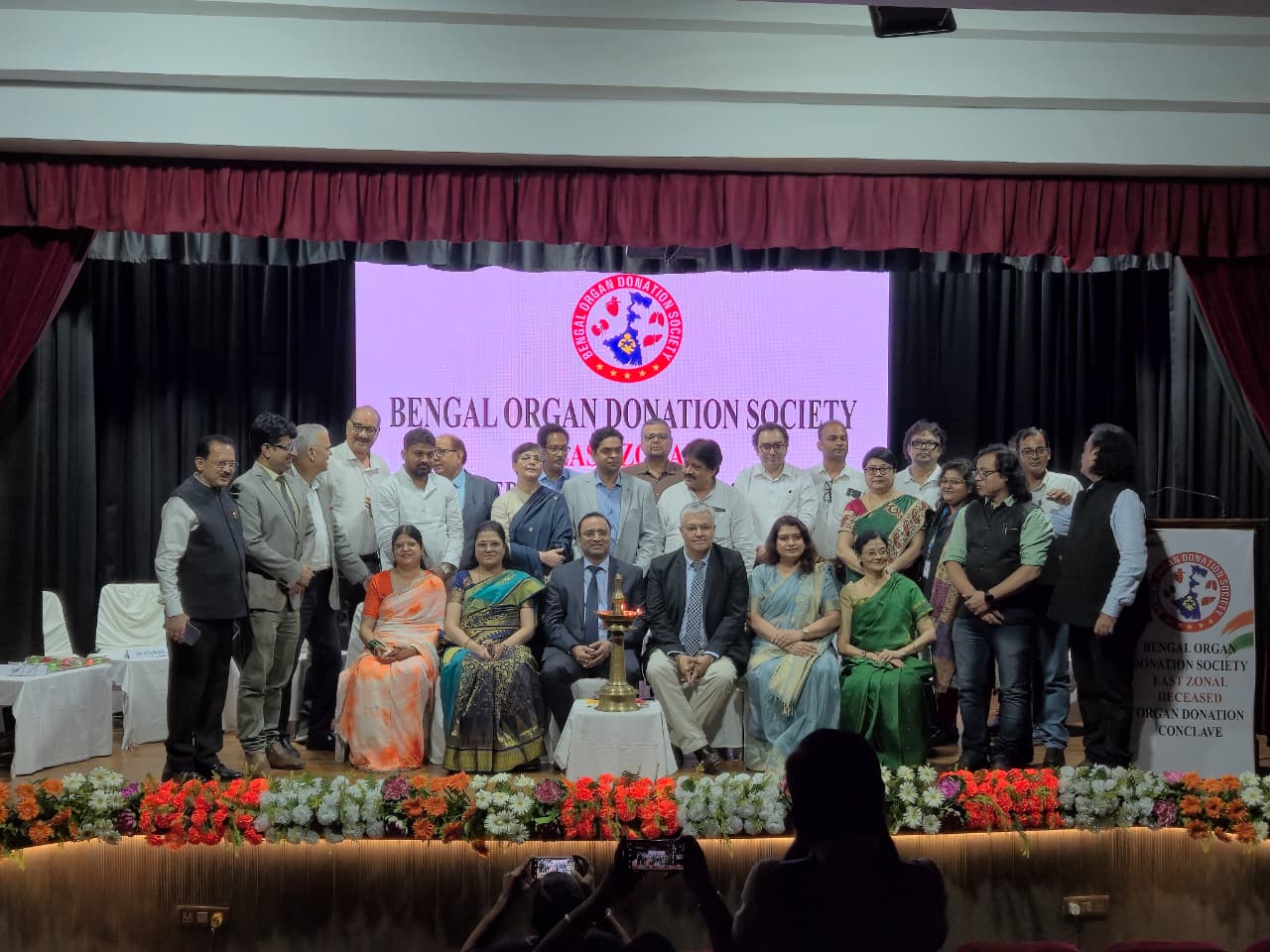
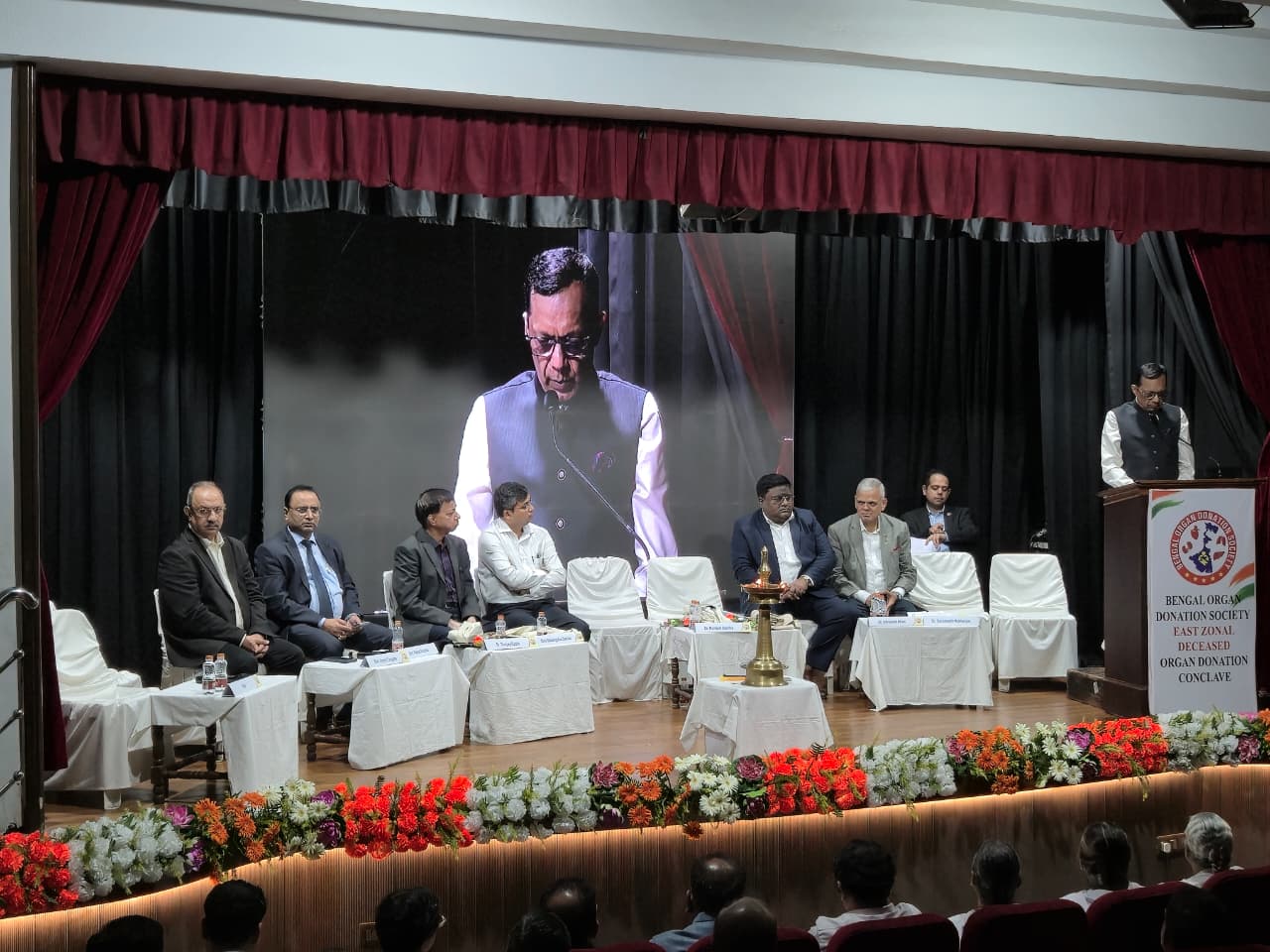
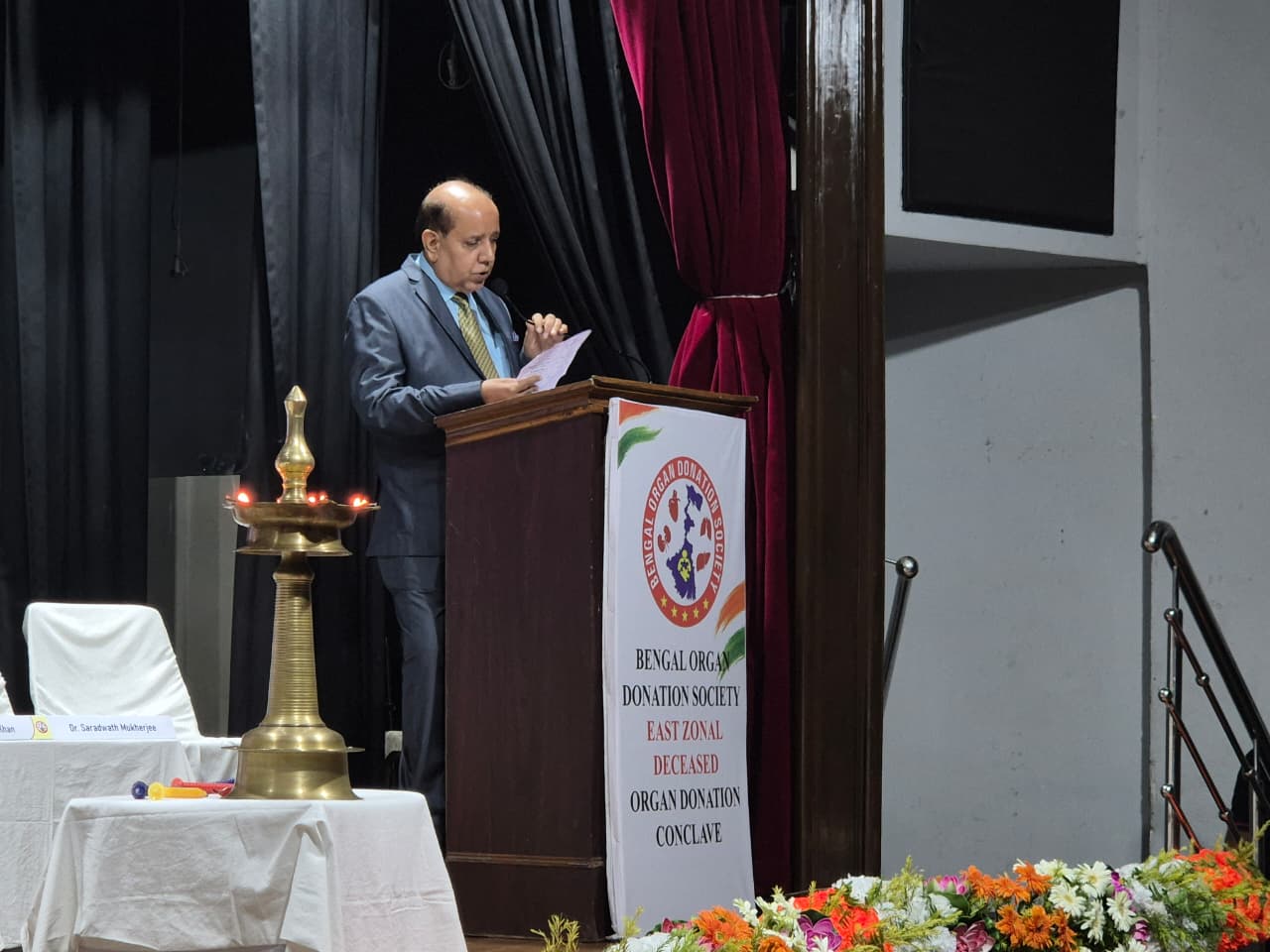
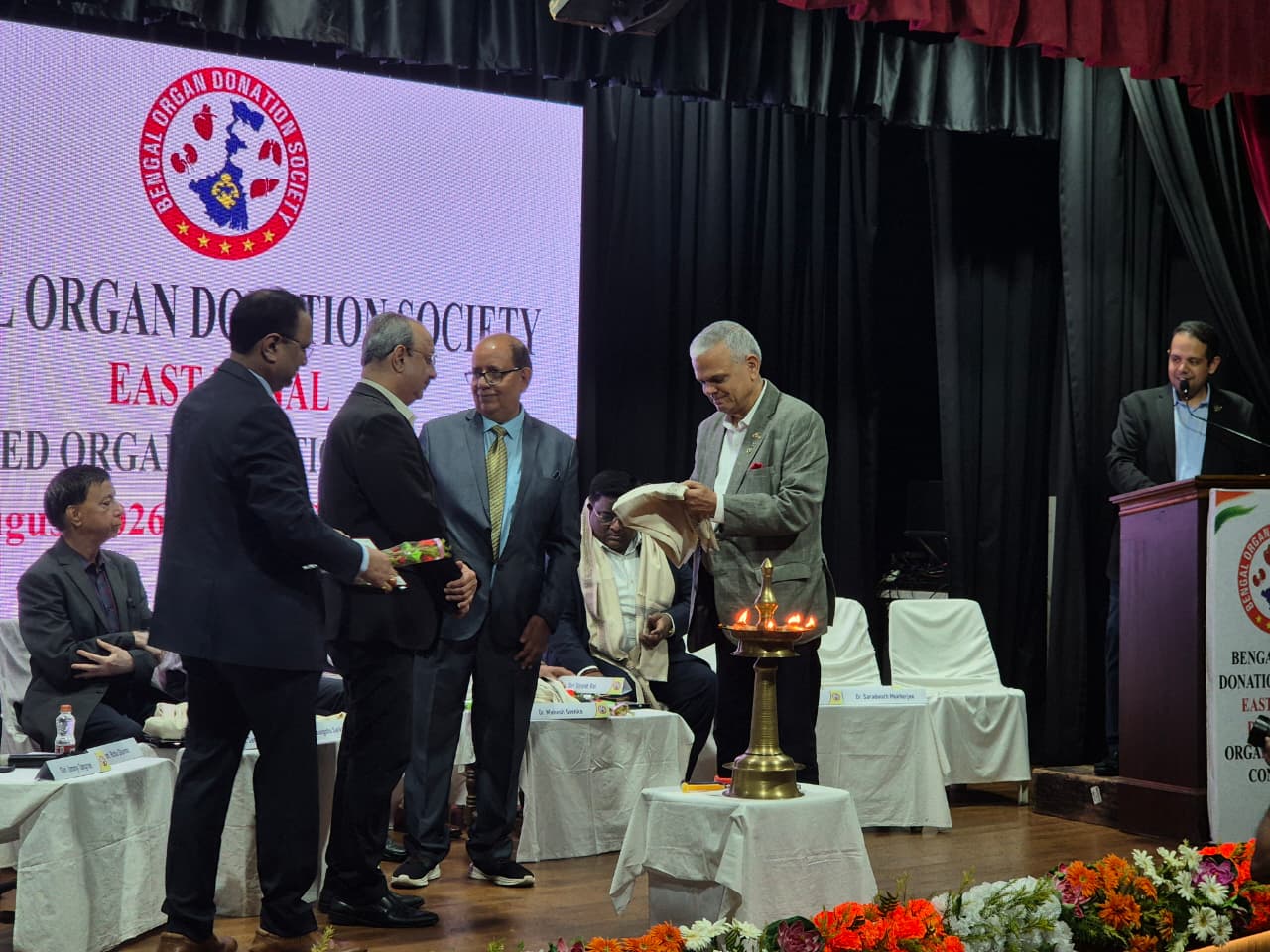
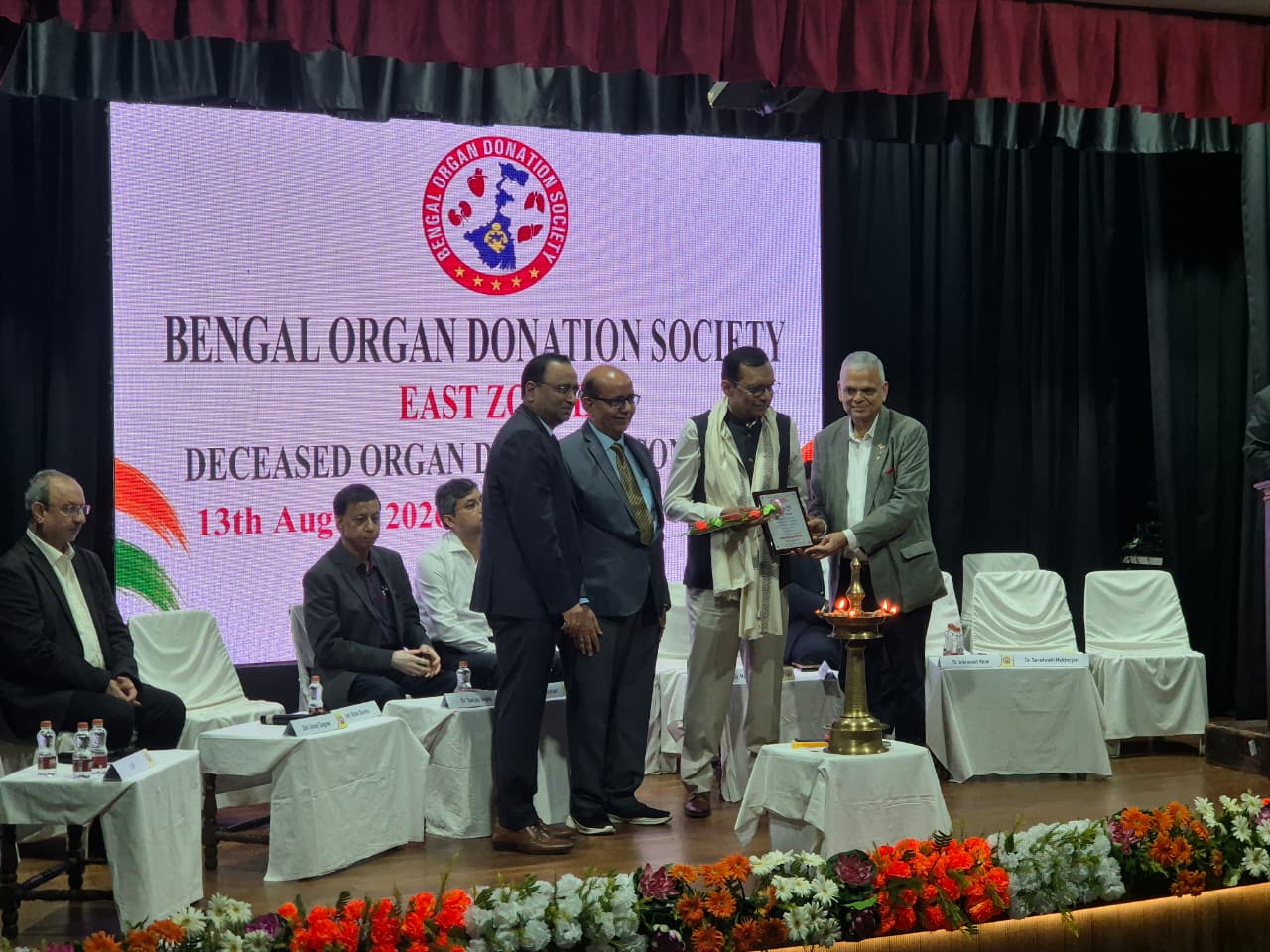
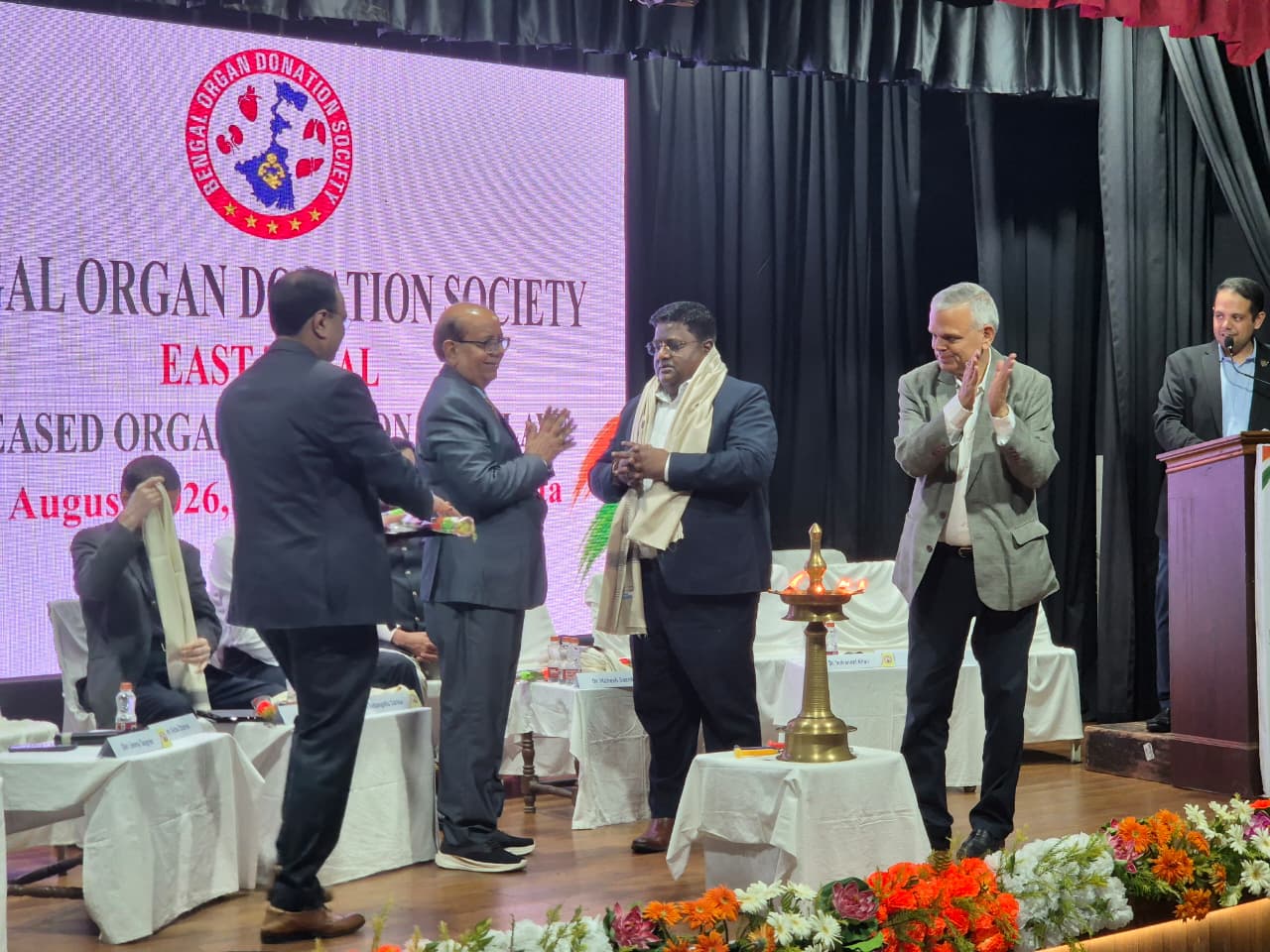
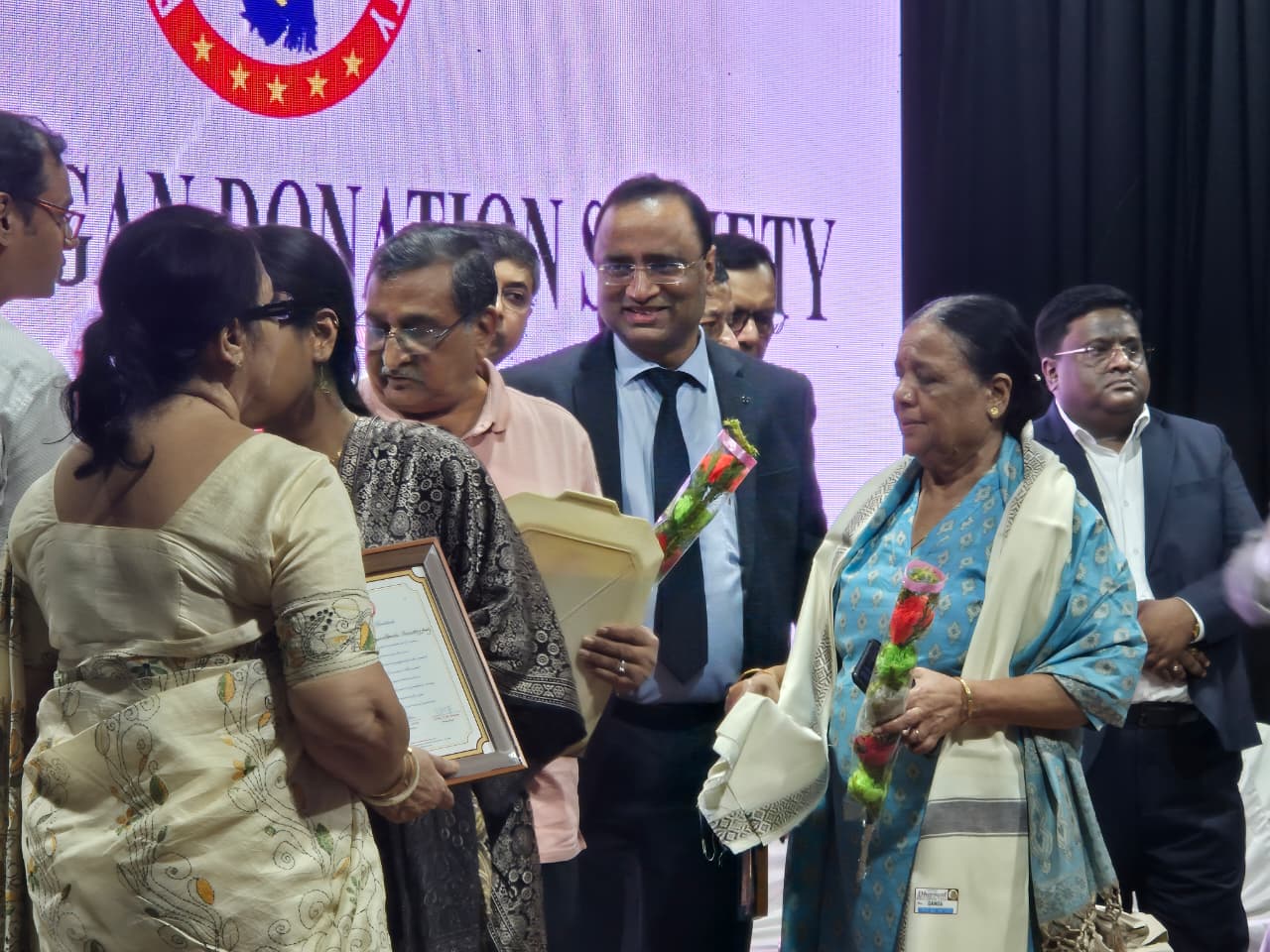
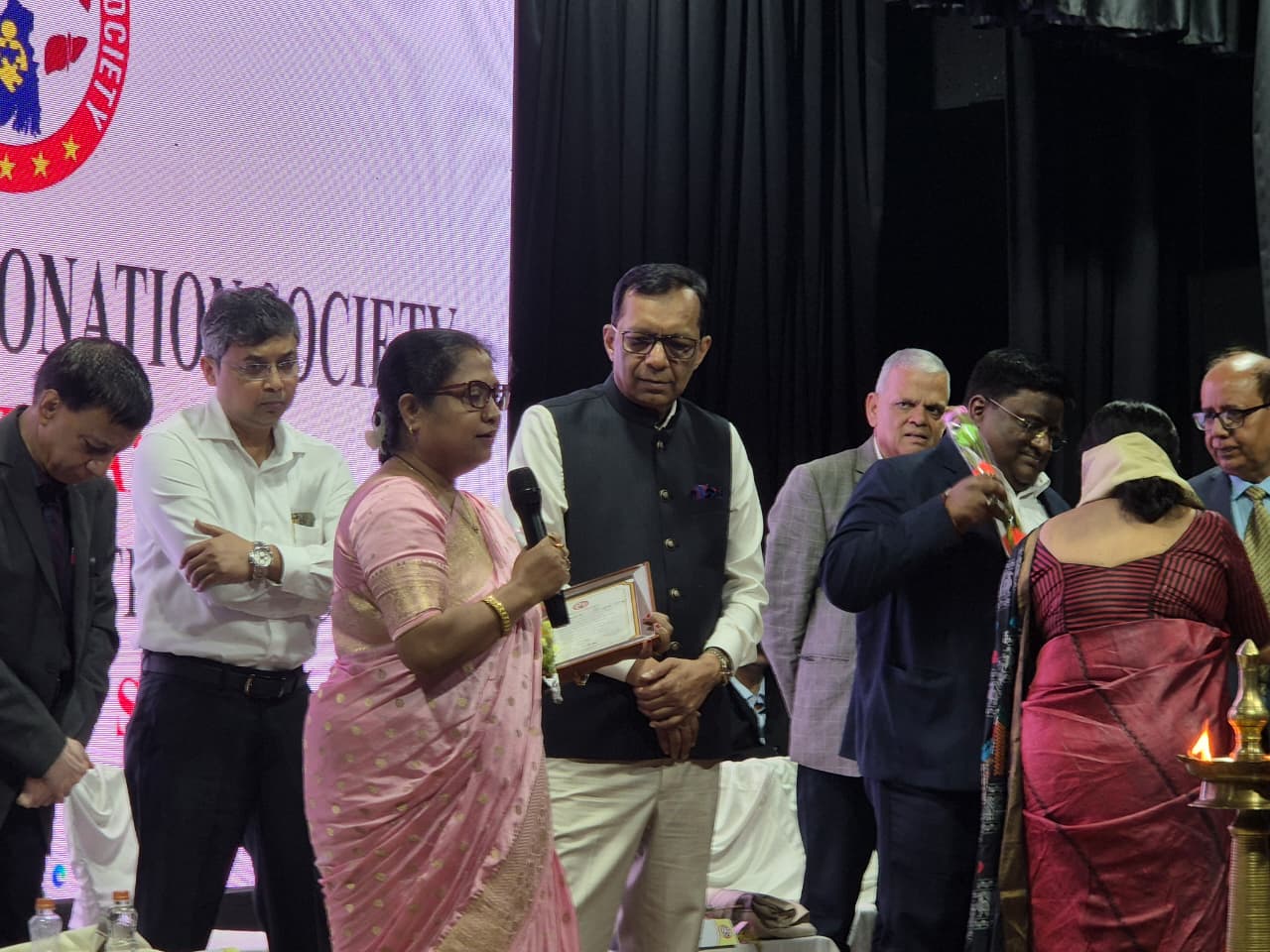
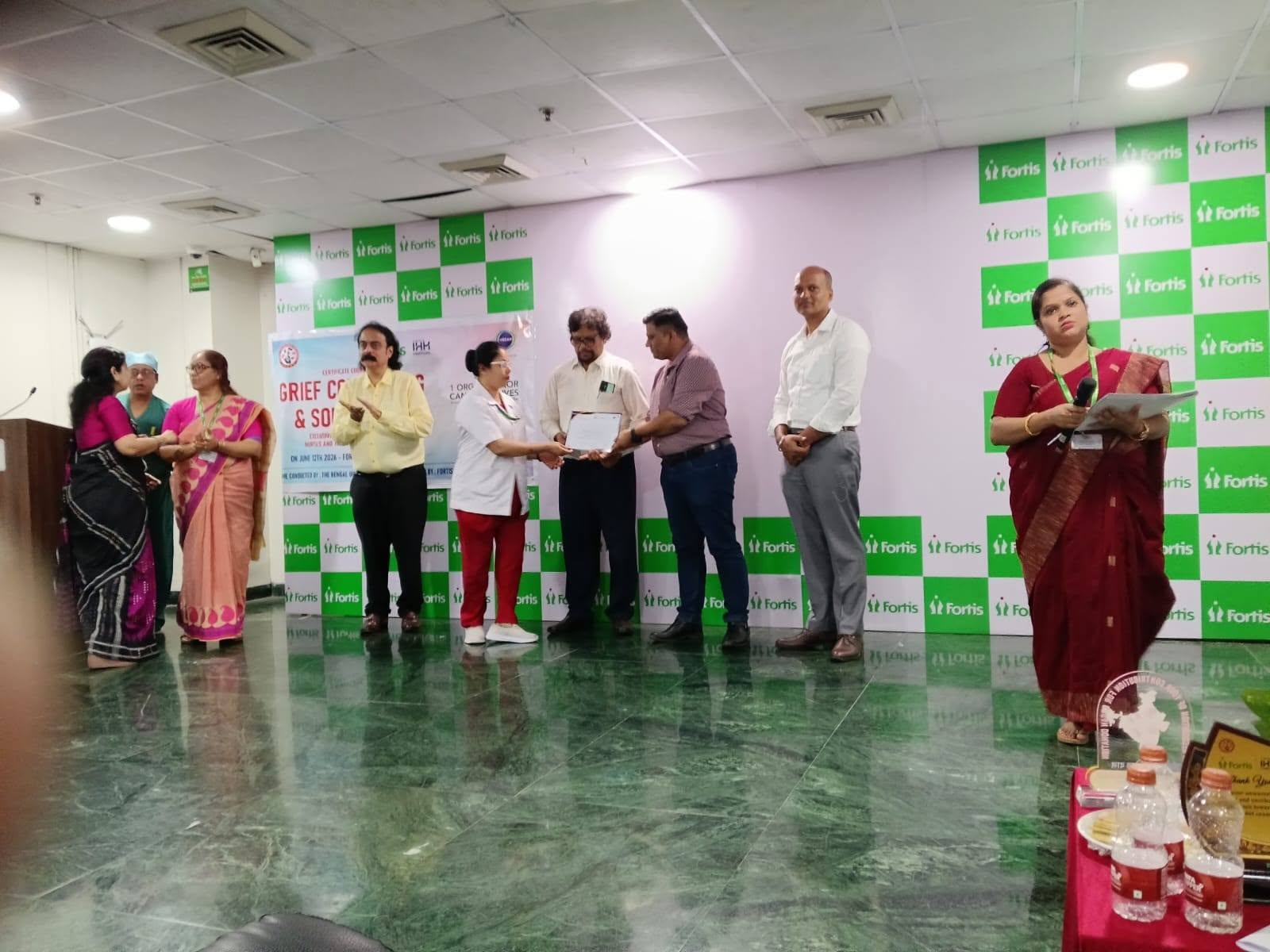
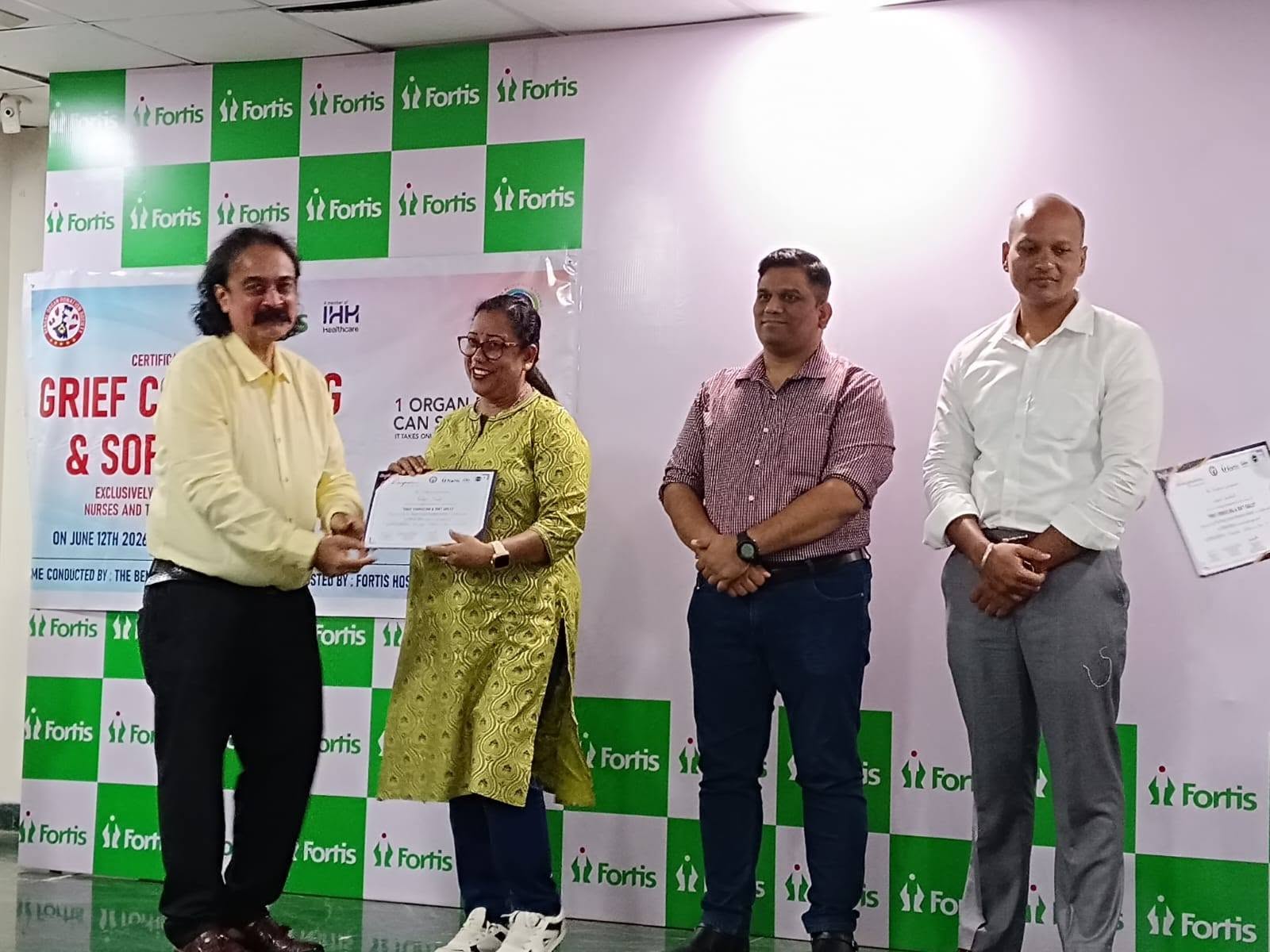
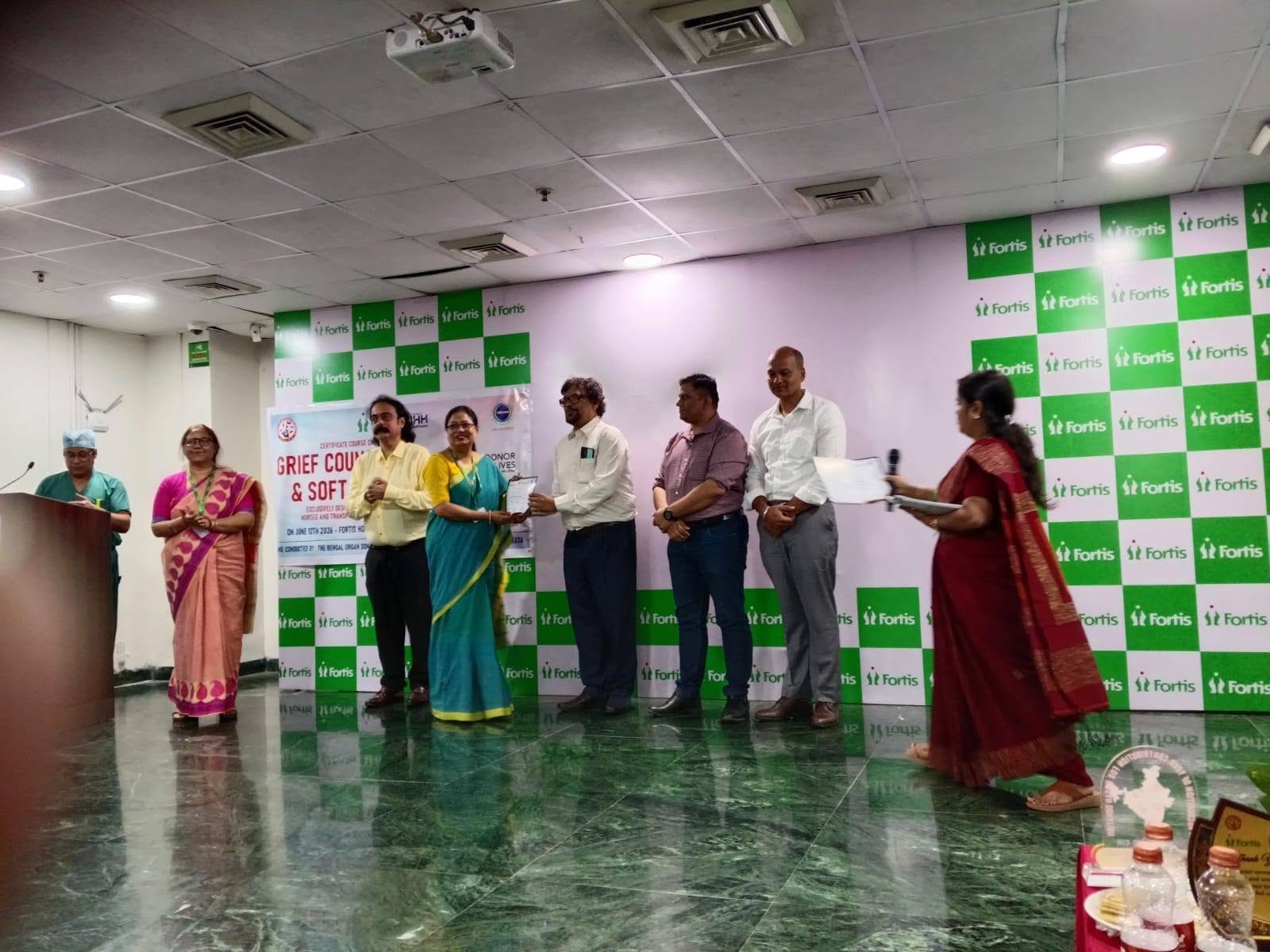
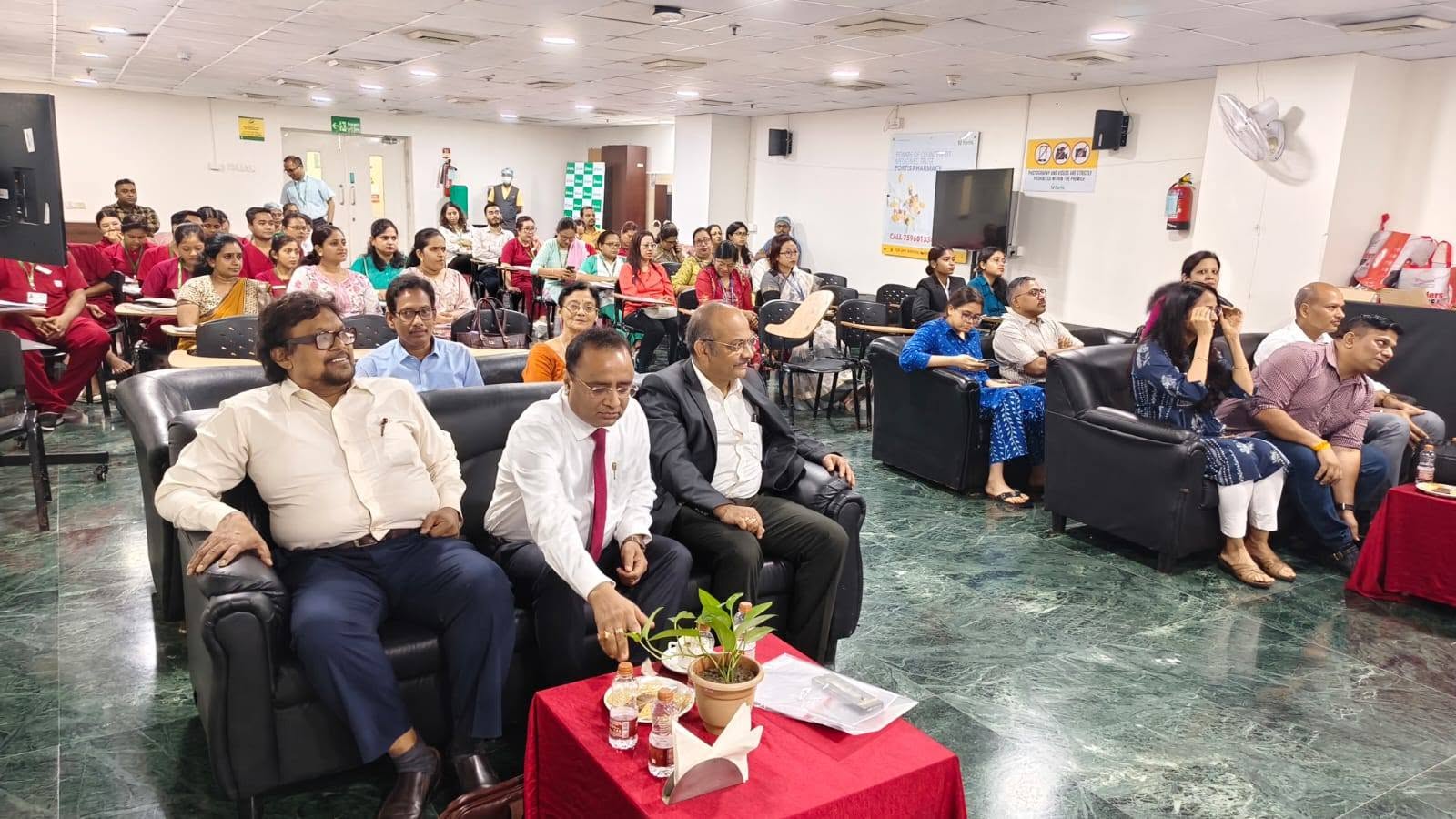
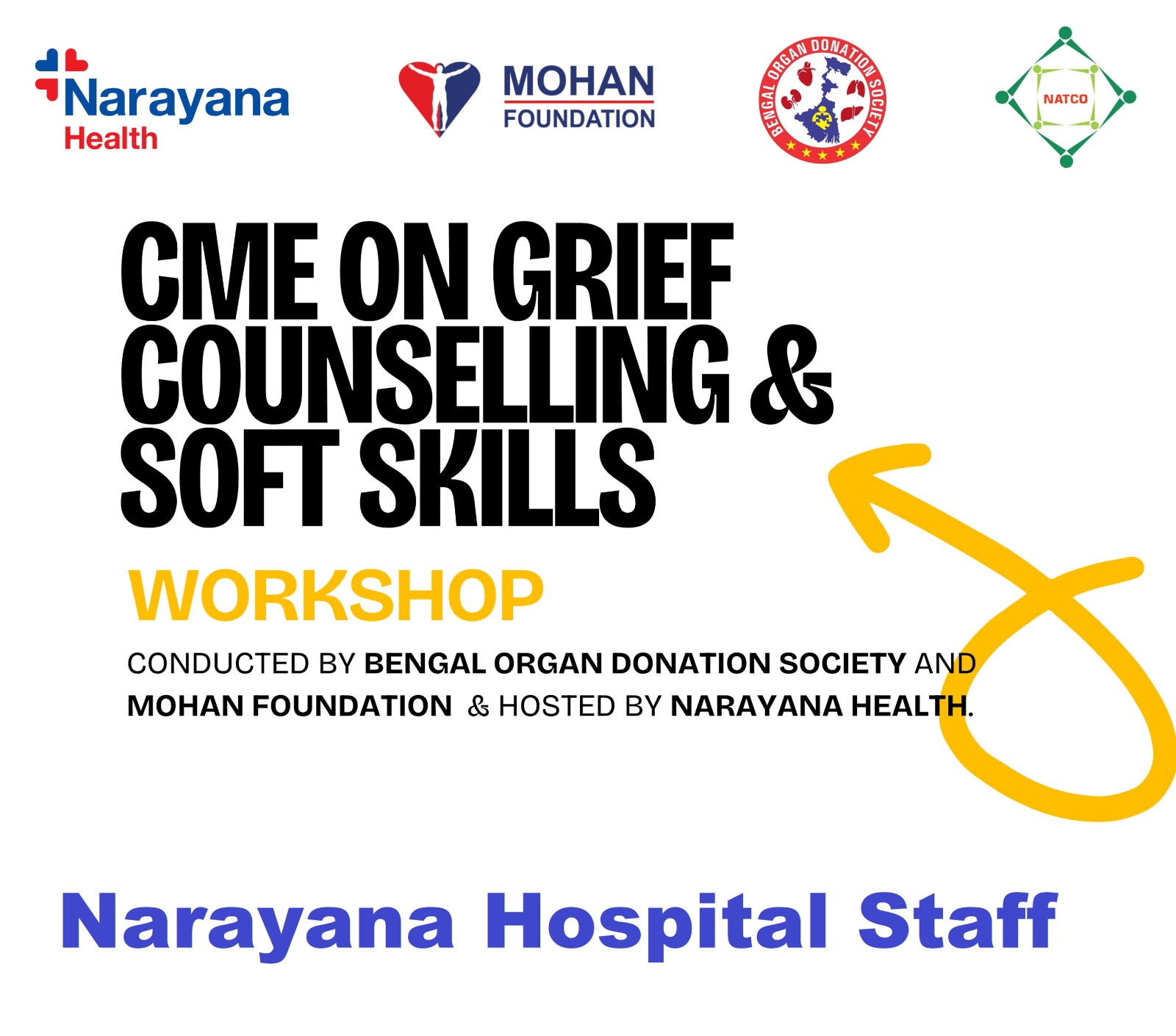





We were honoured by Manavjyot Charitable trust with Parmarth Seva Award in 2026.
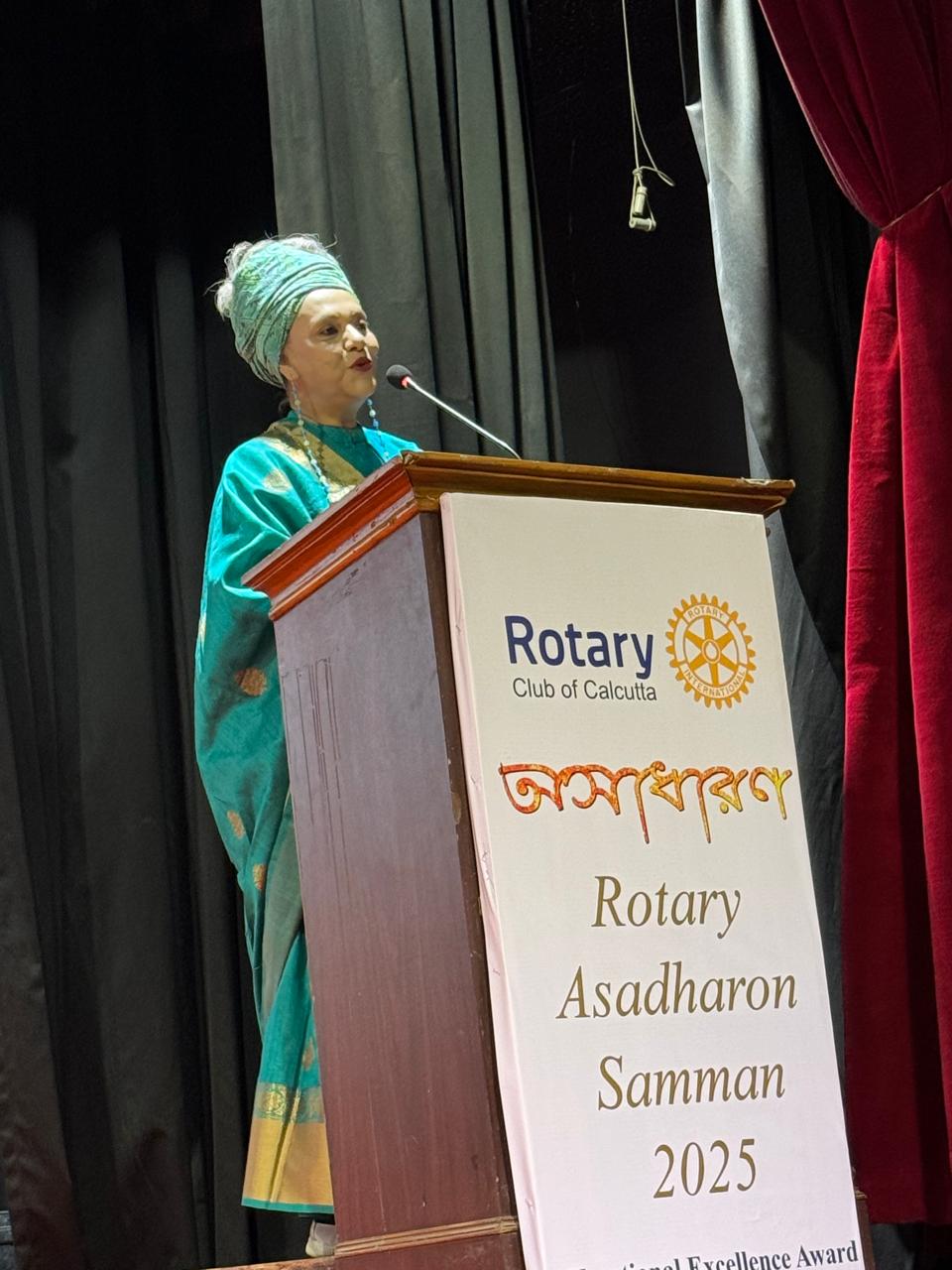
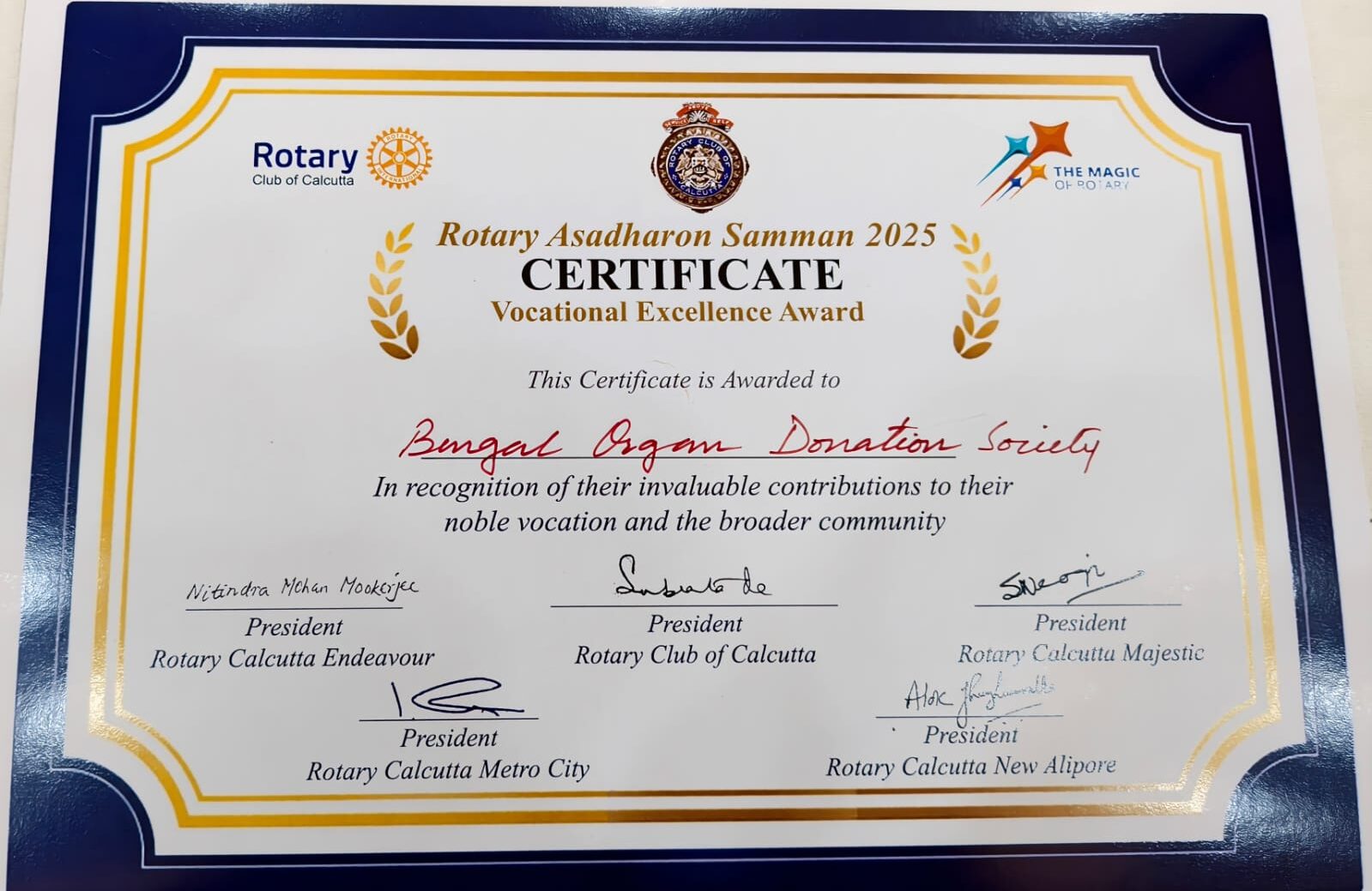
We were also honoured and felicitated with Rotary Asadharon Samman 2025 by Rotary Club of Calcutta for excellence in organ donation movement.
In addition The Bengal Organ Donation Society has been felicitated by various agencies on regular basis in recognition of the work carried out by our team from grassroot level of West Bengal to National / International level by virtue of spreading the cause of organ donation through social media, short films and animation films.
The Bengal Organ Donation Society produced a short film named “UMANG” based on organ donation story of a 12 year old boy. This film was acknowledged, screened and awarded in various National and International film festivals including Vardan Film festival 2026, Tagore International Film festivals 2026 and 16th Dadasaheb Falke International film festivals 2026 etc. etc.
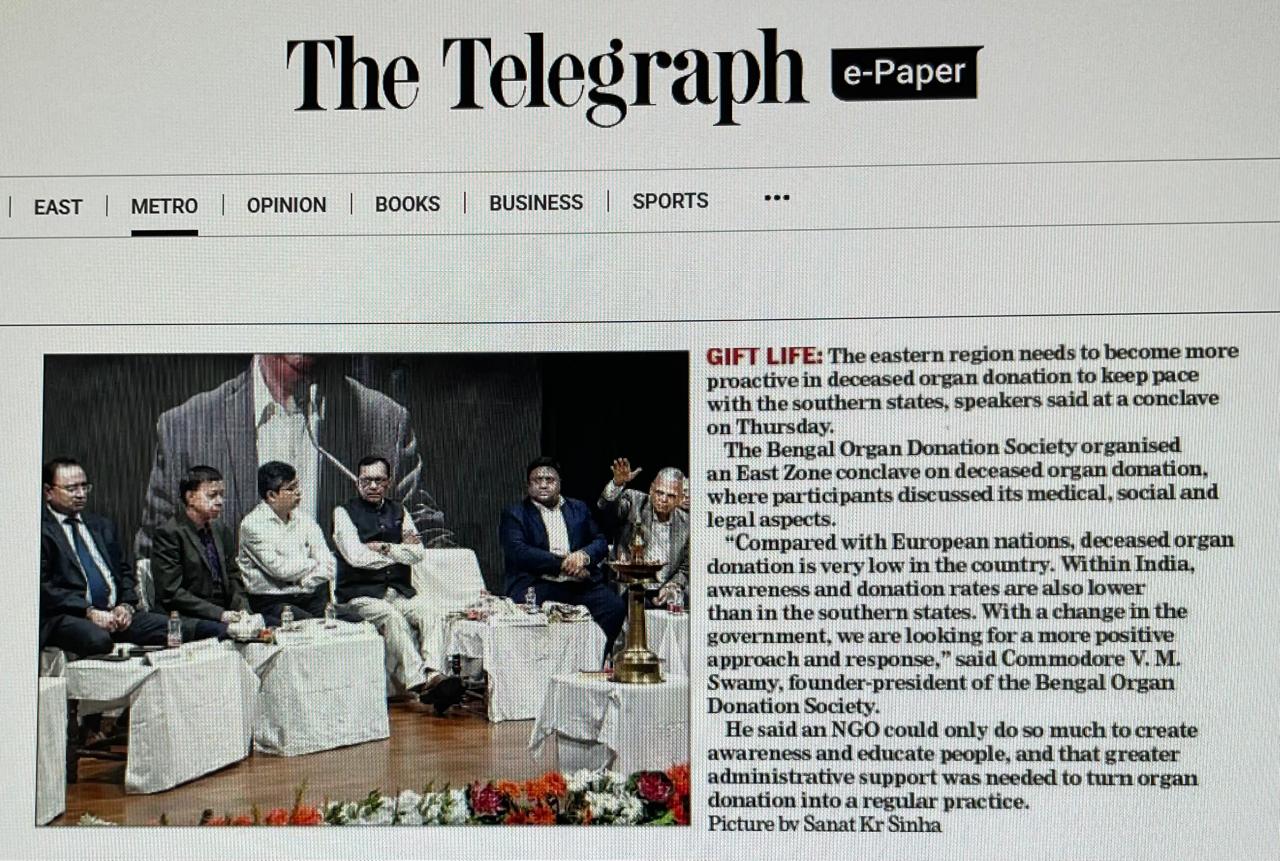
We are also NGO Partner for Times of India in Eastern Region & we have been conducting Organ donation events with various NGOs Such as mohan foundations , Organ India, Shine India Etc. Etc.


✓ Pledging to donate your organs.
✓ Spreading awareness among family and friends.
✓ Participating in BODS awareness programs & programs on other NGOs working for similar cause.
✓ Volunteering for campaigns and events.
✓ Encouraging discussions within your community.
Together, we wish to build a society where organ donation is a norm for all citizen and who will consider, who will believe that organ donation is the biggest virtue and destroying healthy organs is the gratest crime to the humanity.
Every pledge matters. Every conversation counts. Join thousands of heroes across Bengal who have already decided to give the gift of life.

Prof. (Dr.) Indrajit Kumar Tiwary
Chairman
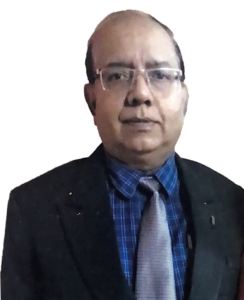
Commodore V. M. Swamy
President
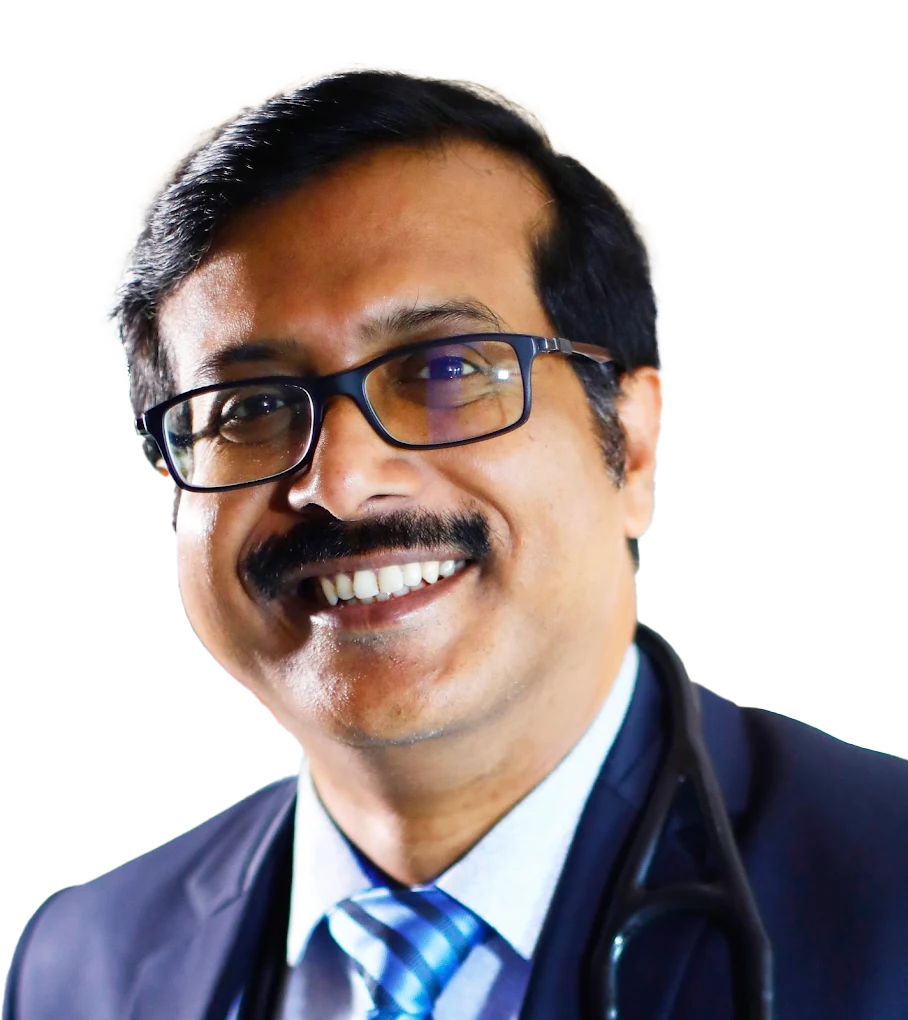
Dr. Pratim Sengupta
Vice President
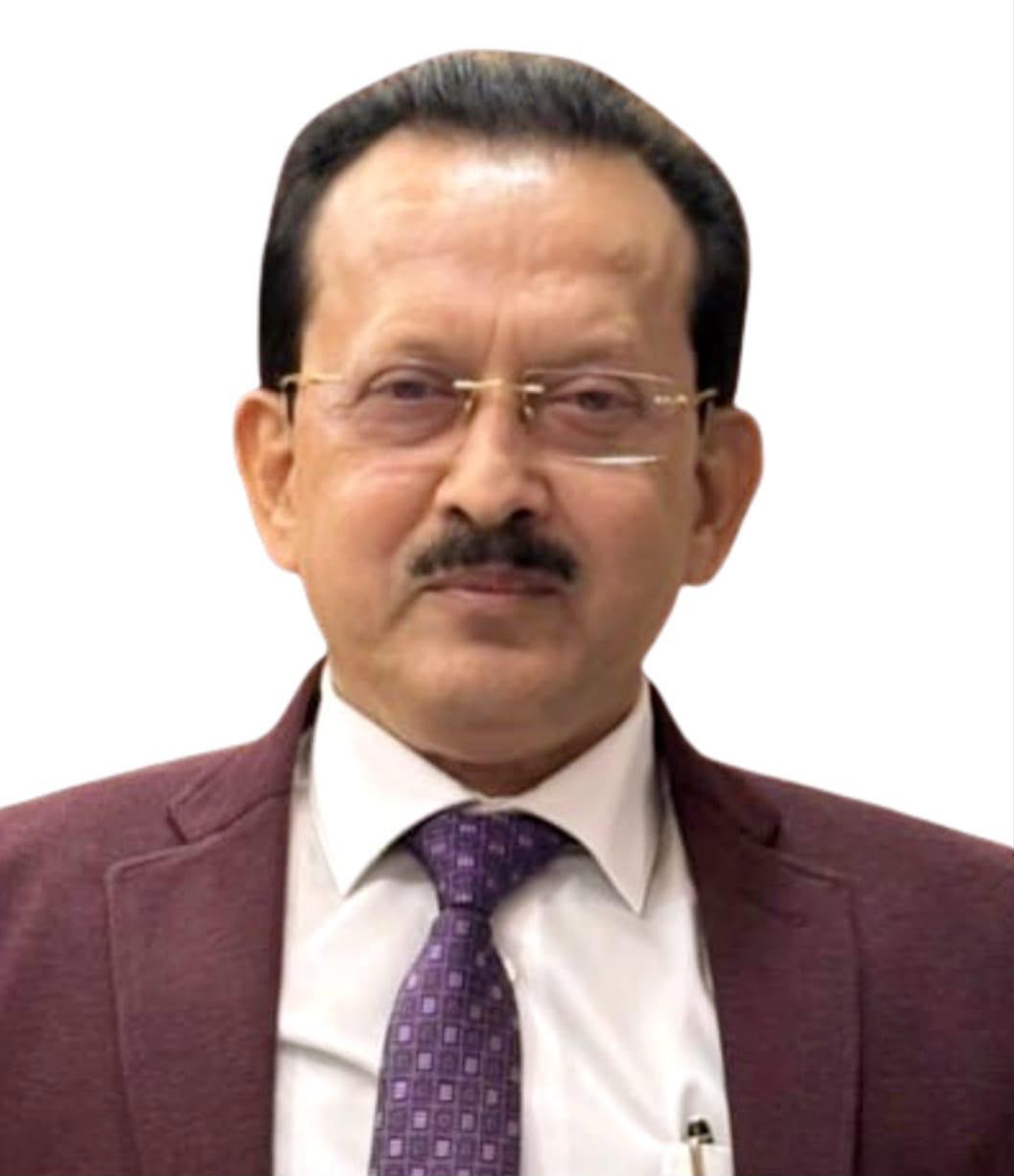
Sujit Chakraborty
Vice President
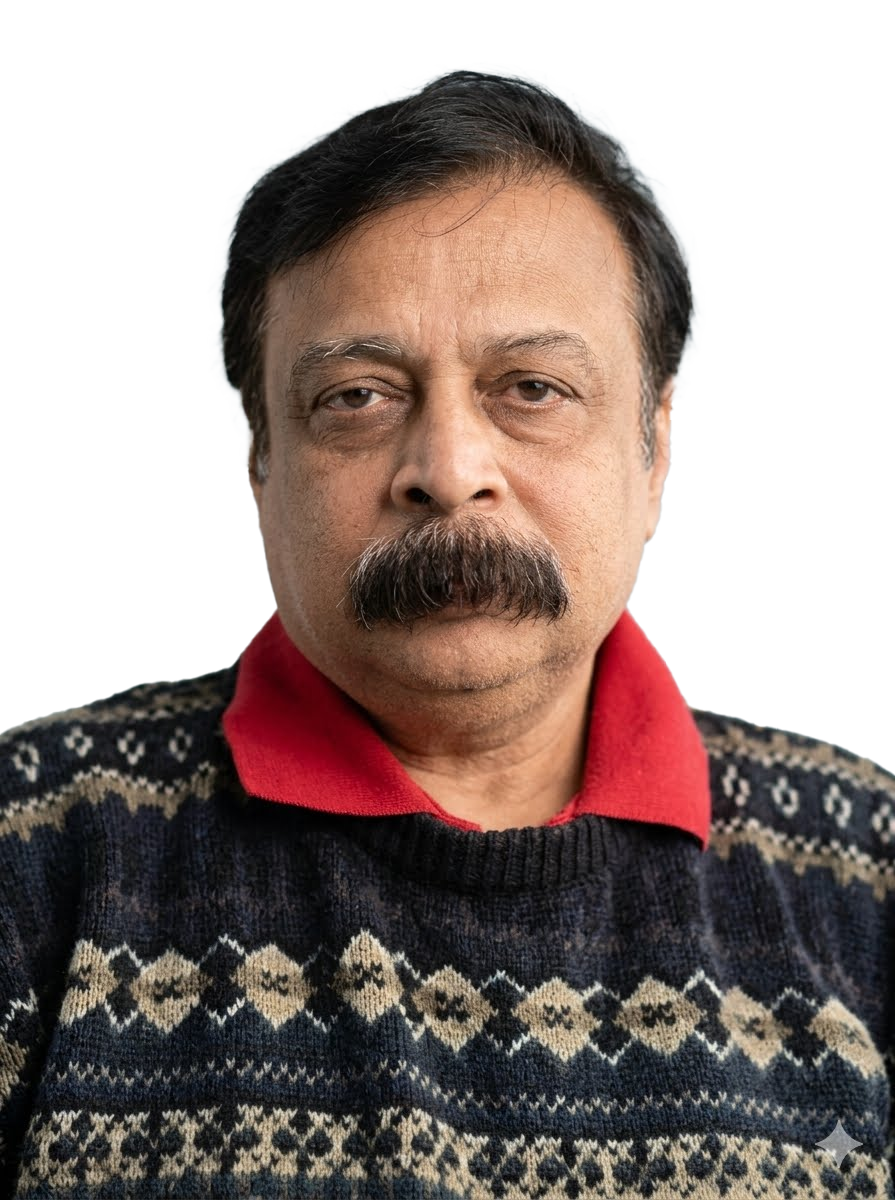
Viresh L. Shah
General Secretary
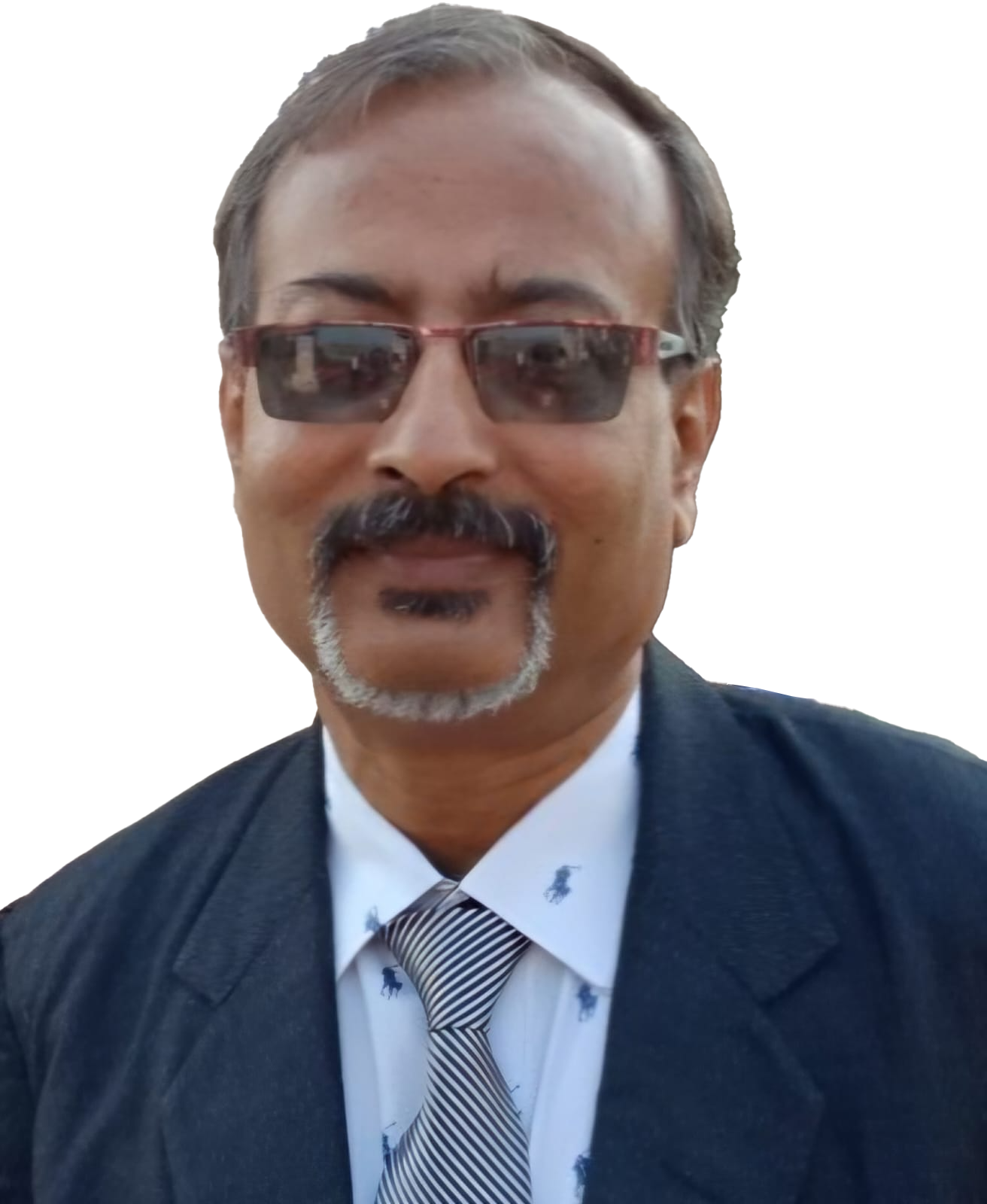
Gautam Sengupta
Jt. Secretary
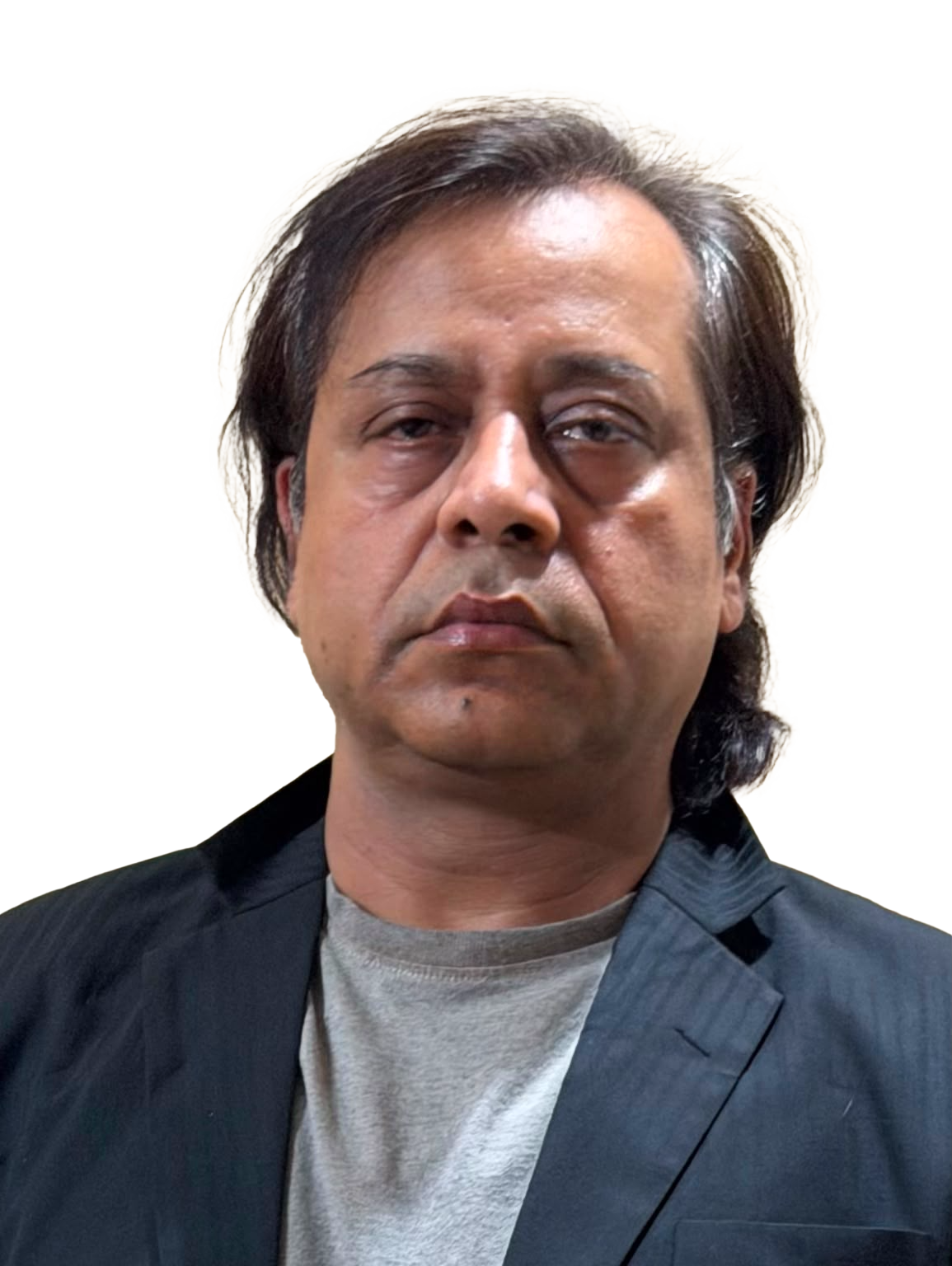
Adv. Lok Nath Tiwari
Jt. Secretary
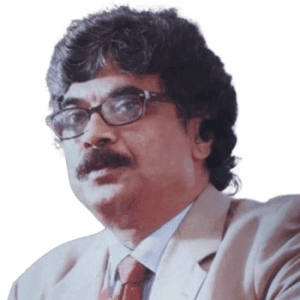
Dr. Saurabh Koley
Founder Chairman
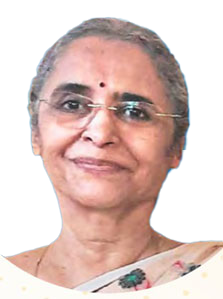
Dr. Vatsala Trivedi
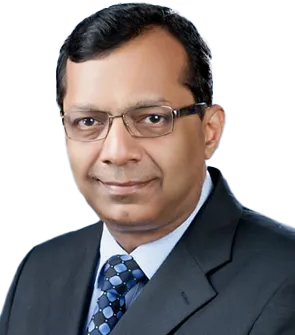
Prof. (Dr.) Mahesh kumar Goenka
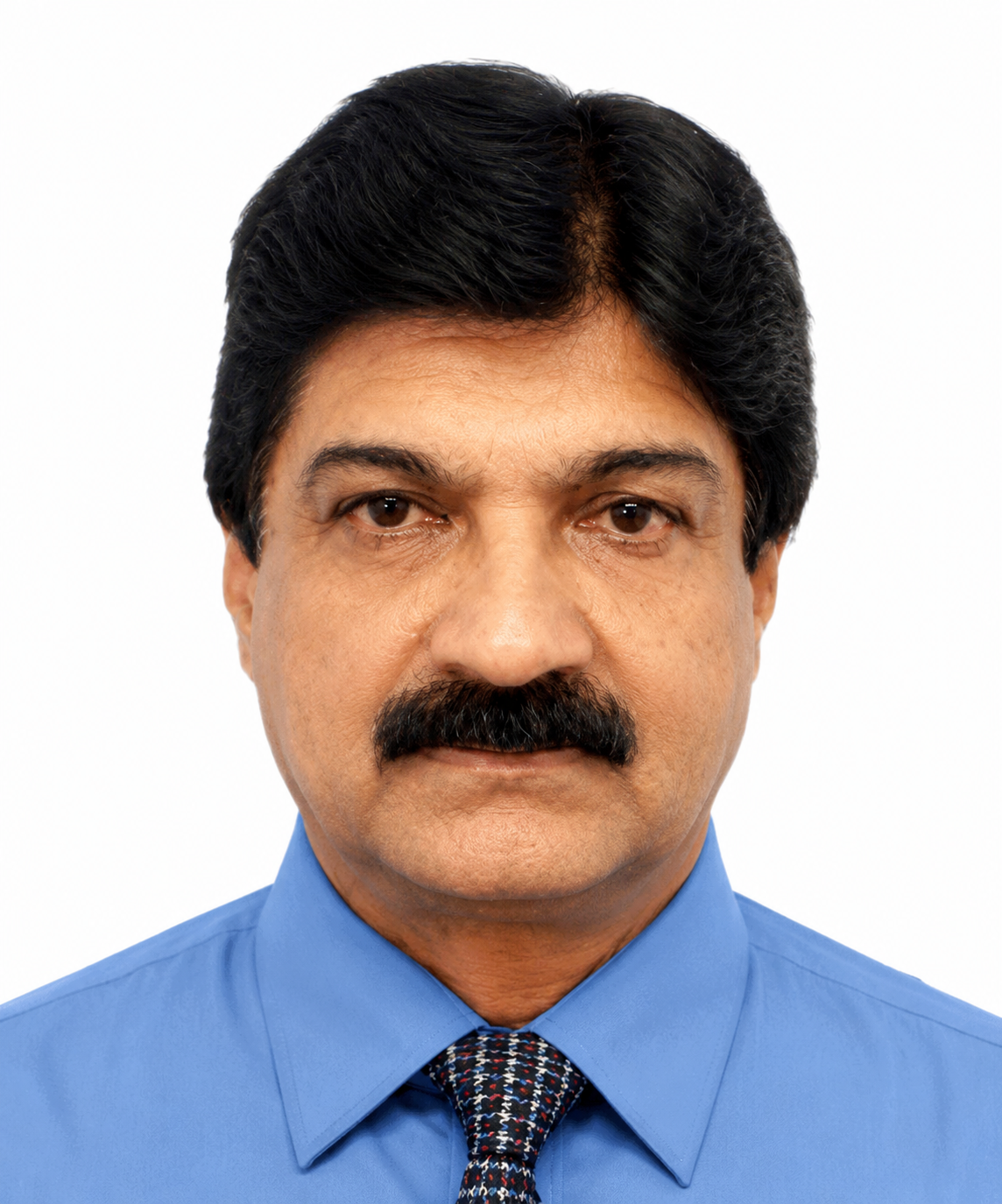
Dr. T. K. Ghosh
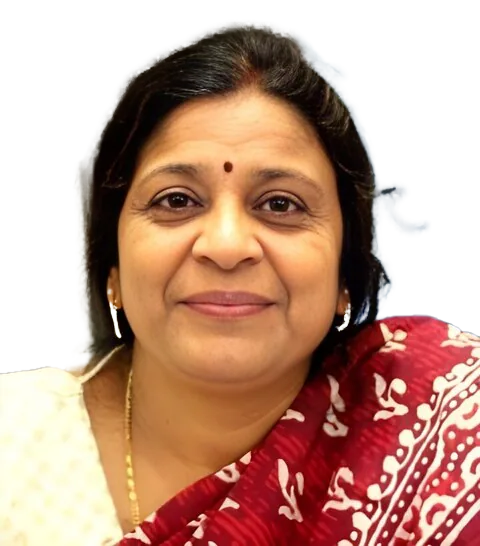
Dr. Arpita Ray Chaudhry
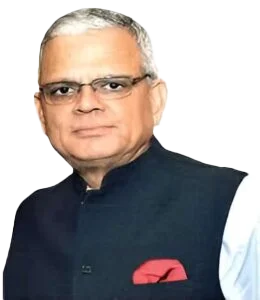
Shri Rajendra Khandelwal
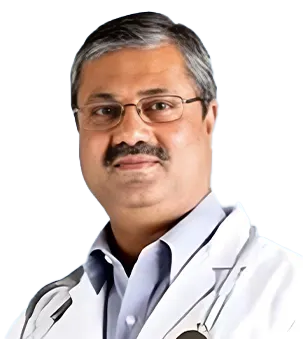
Dr K M Mandana
Organ donation is a noble act which gives us an opportunity to save many lives after our death. The donated organs are transplanted into patients who are suffering from end stage organ failure. As many patients suffer from end stage disease of various organs, the organ donation is the only ray of hope for them.
Human organ transplantation is the achievement of the modern medical science where through surgical procedure the healthy organ from a living or dead person is transplanted on an individual suffering from end stage organ failure. This is established surgical treatment available for the needy patients.
The vital organs like heart, liver, two kidneys, pancreas, intestine, Lungs etc. can be donated if we die a brain death. However cornea [eyes], skin, bones, cartilage, heart valves and other tissues can be donated after cardiac death.
The living person can donate limited organs like kidneys [as we have two kidneys] or part of the liver and only to his/her or close relative. The other vital organs can be retrieved only from brain dead individual.
Any individual whose brain stem, an important part of a central nervous system is irreparably damaged is declared brain dead. Brain stem dead individual can not regain his consciousness and breathing as brain stem has the centre for both. The heart can continue to function due to ventilator and other support for a max. time of 36 to 72 hrs. As the blood supply to organs can be maintained during this period the organs can be retrieved after obtaining consent from the close relative. This death can be diagnosed only in Intensive Care Unit.
Brain death is declared by the brain death committee which involves team of four doctors recognized by the Govt. and who are not involved in performing the transplant surgery. They are Neurosurgeon / Neuro physician, referring doctor, any other specialist and Medical Director. The team has to perform the brain stem death tests twice at the gap of 6 hrs. This death is declared in the hospitals recognized for transplantation. Brain death is accepted worldwide and the brain death certificate is issued to the relatives.
No. Brain dead individual is declared dead and cannot come back. There is no question of survival of the individual as the set of tests done by the experts leaves no possible doubts of the diagnosis of brain death.
Brain death has nothing to do with mercy killing; the organs are taken only after the person is declared brain dead. There is a difference between comatose patients and brain dead individuals. The comatose patients are not dead whereas brain death is the stage beyond coma and individual is declared dead. Organs are never taken at the cost of donor's life.
Yes. As Brain death can occur only in ICU, one who becomes organ donor dies in ICU of the hospital. No vital organs can be retrieved if the death occurs at home. However, eyes can be retrieved up to 6 hrs. after the heart stops beating hence this could be done even if the individual dies at home.
Yes. In India, The Human Organ Transplantation Act was passed inn 1994 which mainly covers 3 areas.
Yes. The body is given back to the relatives to perform the last rites after the retrieval of organs. The organs are retrieved only for therapeutic purposes. This is different than body donation where the whole body is given to the anatomy dept. of the Medical College for the research purpose.
No. As per the priority criteria like age, blood group, waiting period, Clinical status of the recipients the organs are given to the most needy and suitable recipient. In Maharashtra the Govt. has given guidelines to give the priority score to all the waiting recipients to distribute the organs. Money, race, religion are not the criteria for distribution
No. The name and address of the recipient is not given to the donor family and vice versa.
No. The organs are removed carefully by taking the donor to the operation theatre and there is no disfigurement. There is cut on the body which is sutured just like any other surgery performed on the living person.
Yes. All the religions in India consider it as the noble act.
NO. It is pure donation and hence it becomes the noble act. However, the family is not charged for the investigations after the consent for organ donation is given.
Simply by click on the button below
| State / UT ↕ | Transplant / Tissue Categories ↕ |
|---|